If you are trying to picture what life in Lincoln Park actually feels like, start with the small stuff. Not just the headline attractions, but the repeatable moments that shape your week, like grabbing coffee, walking to a quick errand, catching the train, or heading to the lakefront before work. That day-to-day rhythm matters when you are deciding where to live, and Lincoln Park stands out because so much of daily life can happen close to home. Let’s take a look at what everyday routines can look like when you live near Lincoln Park.
Lincoln Park Feels Built for Daily Rhythm
Lincoln Park sits on Chicago’s North Side, just north of downtown, with business district boundaries described by the Lincoln Park Chamber as Diversey Parkway to the north, North Avenue to the south, Lake Michigan to the east, and the Kennedy Expressway to the west. Within that area, you will find active commercial corridors like Armitage-Halsted, Lincoln-Halsted, Lakefront-Clark, and North-Clybourn. That layout helps explain why the neighborhood often feels busy, connected, and easy to use in real life.
The neighborhood also has a steady mix of students, employees, residents, and visitors. The Lincoln Park Chamber identifies DePaul University, Presence Saint Joseph Hospital, tourism, and hospitality as major economic engines. In practical terms, that means your daily routine is happening in a neighborhood that stays active throughout the day.
Everyday Errands Stay Close Together
One of the biggest lifestyle draws in Lincoln Park is how many errands and outings can happen in the same general area. Choose Chicago describes Clark Street as home to more than 100 restaurants, boutiques, cafes, and neighborhood spots, with activity that runs from morning into night. That kind of concentration can make a quick coffee run or casual dinner feel easy instead of planned.
The Armitage and Halsted area offers a different but equally useful rhythm. Choose Chicago notes that boutiques line this stretch in historic row homes, which adds to the walkable, browse-as-you-go feel. If you like neighborhoods where errands, dining, and casual shopping can blend into one short outing, Lincoln Park gives you a strong version of that experience.
Lakefront Access Changes the Week
For many people, the biggest everyday perk of living near Lincoln Park is simple: the lake is right there. The Chicago Park District says the Lakefront Trail serves commuters, runners, caregivers with strollers, tourists on rental bikes, and casual walkers. That range of uses says a lot about how embedded the trail is in daily life.
After the 2018 trail separation project, the former combined path became an 18-mile bike trail and an 18.5-mile pedestrian trail. In the Lincoln Park area, that setup makes it easier to build movement into your routine, whether that means a morning walk, a bike commute, or an evening run. Instead of treating outdoor time like a special outing, you can make it part of your normal schedule.
North Avenue Beach Adds Flexibility
North Avenue Beach is another feature that shapes the neighborhood’s daily pace. According to the Chicago Park District, the beach is open daily from 6 a.m. to 11 p.m., with seasonal swim hours when lifeguards are on duty. It also offers ADA-accessible beach access and restrooms.
The park district encourages public transportation because parking is limited, which fits the broader Lincoln Park lifestyle. If you live nearby, the appeal is not only beach days in the traditional sense. It is also the option to head over for a walk, meet a friend, or spend time outside without needing a major plan.
Free, Easy Outings Matter
Some of the best neighborhood amenities are the ones you can enjoy again and again without much effort. In Lincoln Park, that includes the Lincoln Park Conservatory and Lincoln Park Zoo. The conservatory is free and open year-round, and the zoo is free and open every day of the year.
That kind of access gives you low-friction options for a quick outing close to home. Whether you want a short weekend stop or an easy reset during a busy week, these places add variety to everyday life without requiring a long trip across the city.
Transit Supports a Car-Light Lifestyle
Transit is a major part of how many residents move through Lincoln Park. Fullerton station serves the Red, Brown, and Purple lines, is accessible, and connects to CTA bus routes 37 and 74. Armitage station serves the Brown and Purple lines, is also accessible, includes sheltered bike parking, and connects to CTA bus route 73.
CTA service patterns also support regular use. The Brown Line runs daily between Kimball and the Loop from early morning through late evening. For you, that can translate into simpler commute planning, easier meetups, and more flexibility when you do not want to rely on a car.
Short Trips Become the Norm
When you combine train access, bus connections, bike routes, and walkable commercial areas, Lincoln Park supports a routine built around shorter trips. You may be able to get to work, run errands, meet friends, and spend time outdoors without turning every outing into a drive. That is one of the clearest day-to-day lifestyle advantages the neighborhood offers.
This does not mean every household will live the same way, of course. But if you are looking for a neighborhood where walking, biking, and transit can play a real role in your week, Lincoln Park offers the right building blocks.
Housing Styles Shape the Feel of Each Block
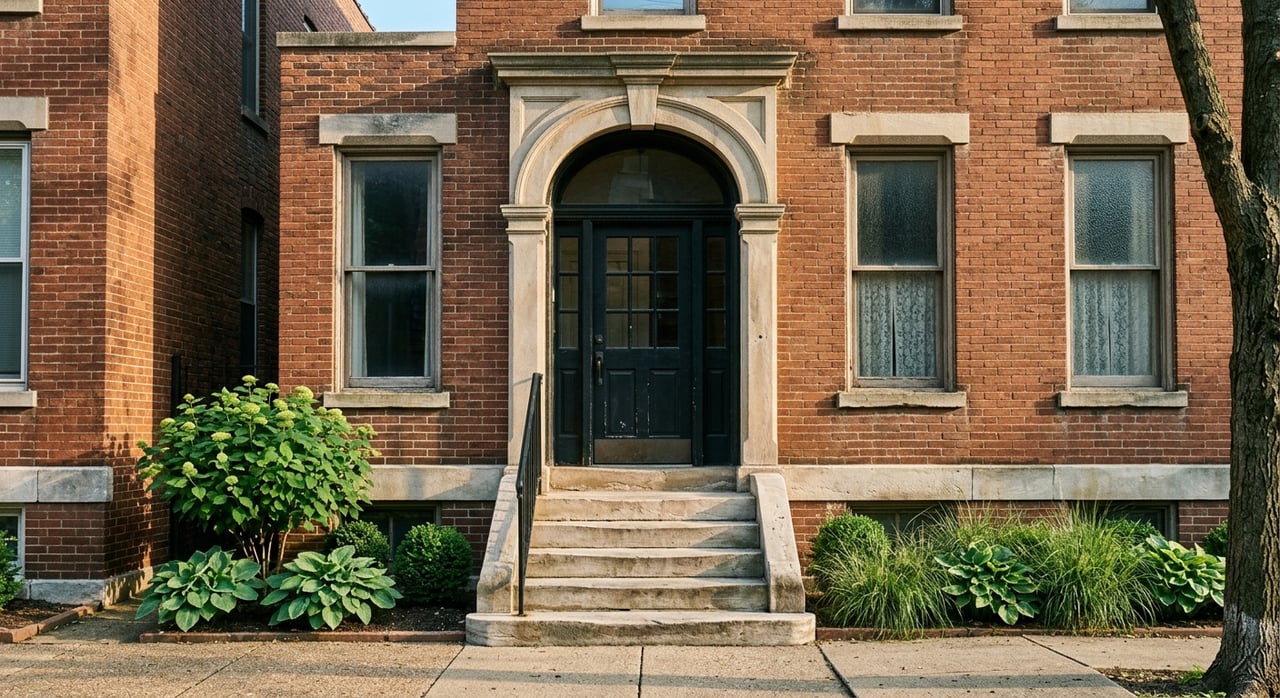
Lincoln Park is not one-note, and that is part of its appeal. The neighborhood includes several official Chicago landmark districts, including the Bissell Street District, the Fremont Row House District, the Arlington-Deming District, and the Brewster Apartments. The area also includes examples of Worker’s Cottage style architecture.
That layered housing stock helps explain why one block can feel very different from the next. Some streets feel compact and more residential, while others feel denser or closer to transit and commercial activity. If you are home shopping here, it is helpful to think in terms of micro-locations, not just the neighborhood name.
Vintage and Newer Homes Coexist
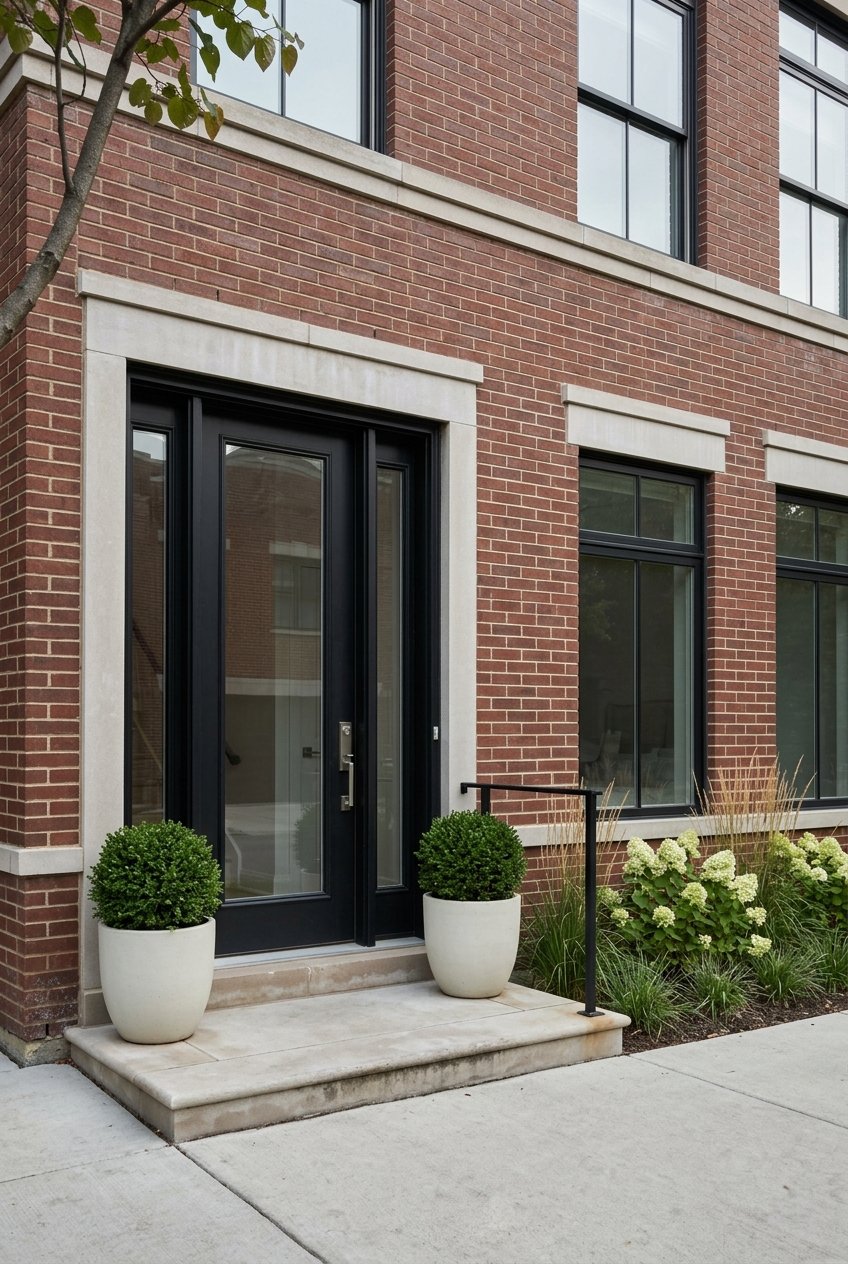
Lincoln Park is often associated with older masonry buildings, row houses, and larger apartment buildings, and the landmark districts support that impression. At the same time, newer development is part of the housing picture too. Lincoln Common on North Lincoln includes 538 apartment units, 32 luxury condominiums, retail, dining, fitness, senior living, and open space.
For buyers, that means the neighborhood can offer more than one kind of living experience. Depending on where you look, you may find a classic Chicago streetscape, a larger condo building, or a more recent mixed-use setting. That variety is part of what makes Lincoln Park feel dynamic instead of uniform.
What a Typical Day Might Look Like
The strongest way to understand Lincoln Park is to picture a normal day instead of a special occasion. You might start with coffee on Clark Street, head to the Lakefront Trail for a walk or run, catch the train from Fullerton or Armitage, and end the day with dinner or a quick stop in one of the neighborhood’s retail corridors. That pattern reflects the neighborhood’s mix of access, activity, and convenience.
If that sounds like the kind of routine you want, Lincoln Park is worth a closer look. And if you are comparing nearby North Side neighborhoods, this daily-life lens can help you decide which area fits how you actually want to live.
Whether you are thinking about buying, selling, relocating, or simply narrowing your search in Chicago, having a clear picture of your everyday routine can make the decision easier. If you want help evaluating Lincoln Park block by block and matching the neighborhood to your goals, connect with Lisa Blume.
FAQs
What is everyday life like near Lincoln Park in Chicago?
- Everyday life near Lincoln Park often centers on short, repeatable routines like coffee runs, casual errands, lakefront walks, CTA trips, and dining along active neighborhood corridors.
What transit options serve Lincoln Park Chicago?
- Lincoln Park is served by CTA stations including Fullerton and Armitage, with access to Red, Brown, and Purple Line service plus bus connections.
What outdoor amenities are near Lincoln Park?
- Outdoor amenities near Lincoln Park include the Lakefront Trail, North Avenue Beach, and nearby green space along the lakefront.
Are there free attractions near Lincoln Park Chicago?
- Yes. The Lincoln Park Conservatory is free and open year-round, and the Lincoln Park Zoo is free and open every day of the year.
What types of homes are found near Lincoln Park?
- Housing near Lincoln Park includes historic row houses, vintage multi-unit buildings, larger apartment buildings, and some newer mixed-use and condominium development.