Thinking about trading Chicago winters for St. Petersburg sunshine? A move like this can be exciting, but it also comes with a different set of real estate rules, costs, and property questions than many buyers expect. If you want a smoother transition, it helps to understand how St. Petersburg housing, condo ownership, insurance, taxes, and closing logistics work before you start touring homes. Let’s dive in.
Start With Your End Goal
Before you narrow down neighborhoods or property types, get clear on how you plan to use the home. In St. Petersburg, your choice between a primary residence, second home, or future retirement property affects more than lifestyle. It can also affect taxes, homestead eligibility, insurance planning, and whether rental income is realistic.
According to the Pinellas County Property Appraiser, homestead exemption is available only to bona fide Florida residents who make the property their permanent residence as of January 1. That means a true second home generally will not qualify. If you are still planning to split time between Chicago and Florida, this is one of the first details to sort out.
Understand St. Petersburg Housing Options
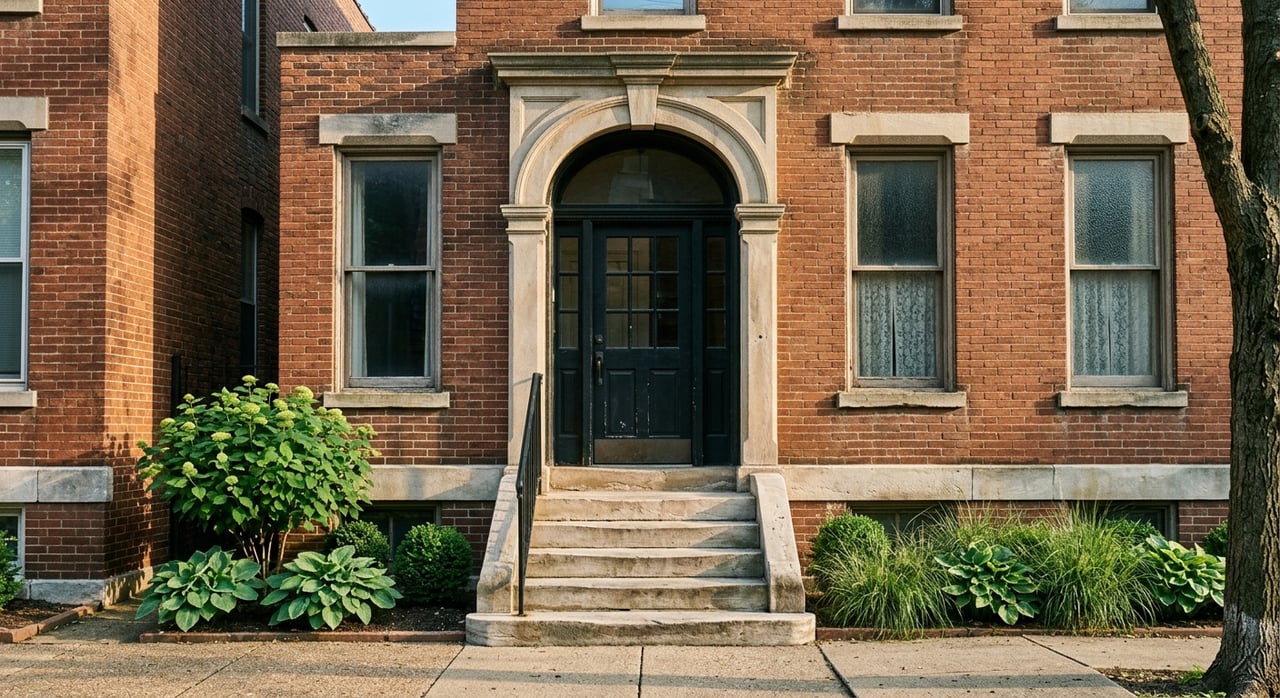
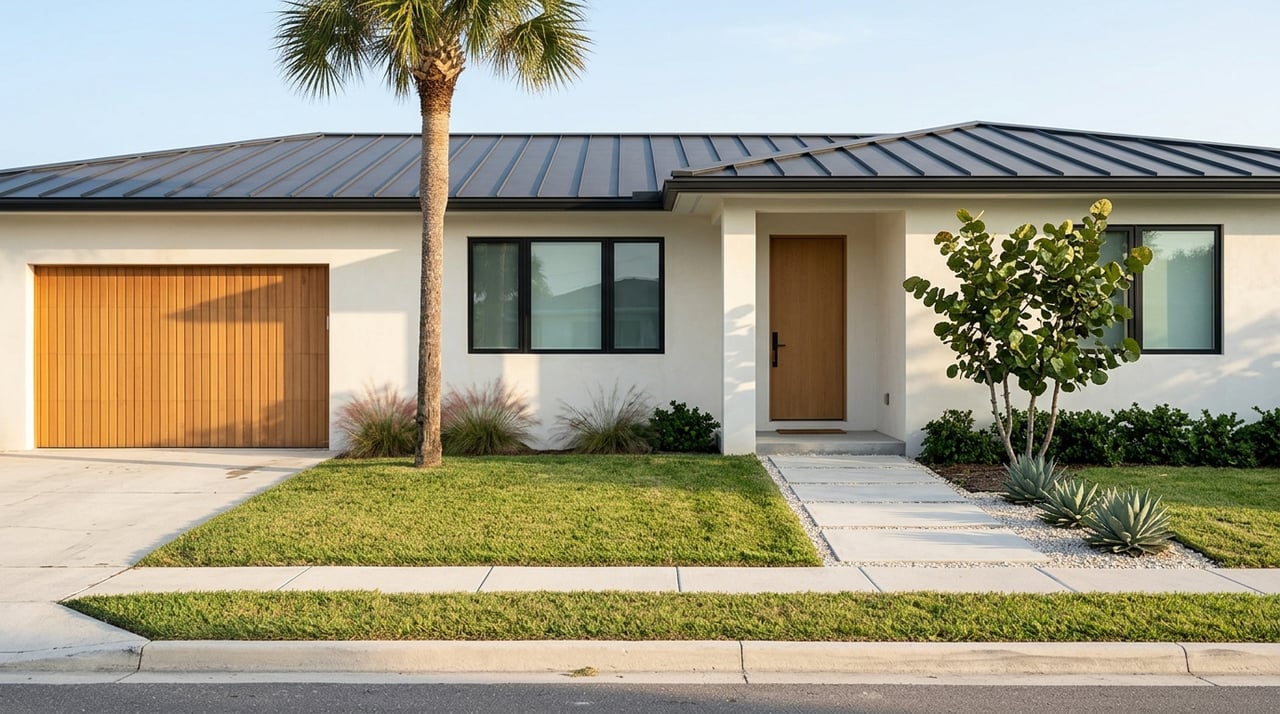
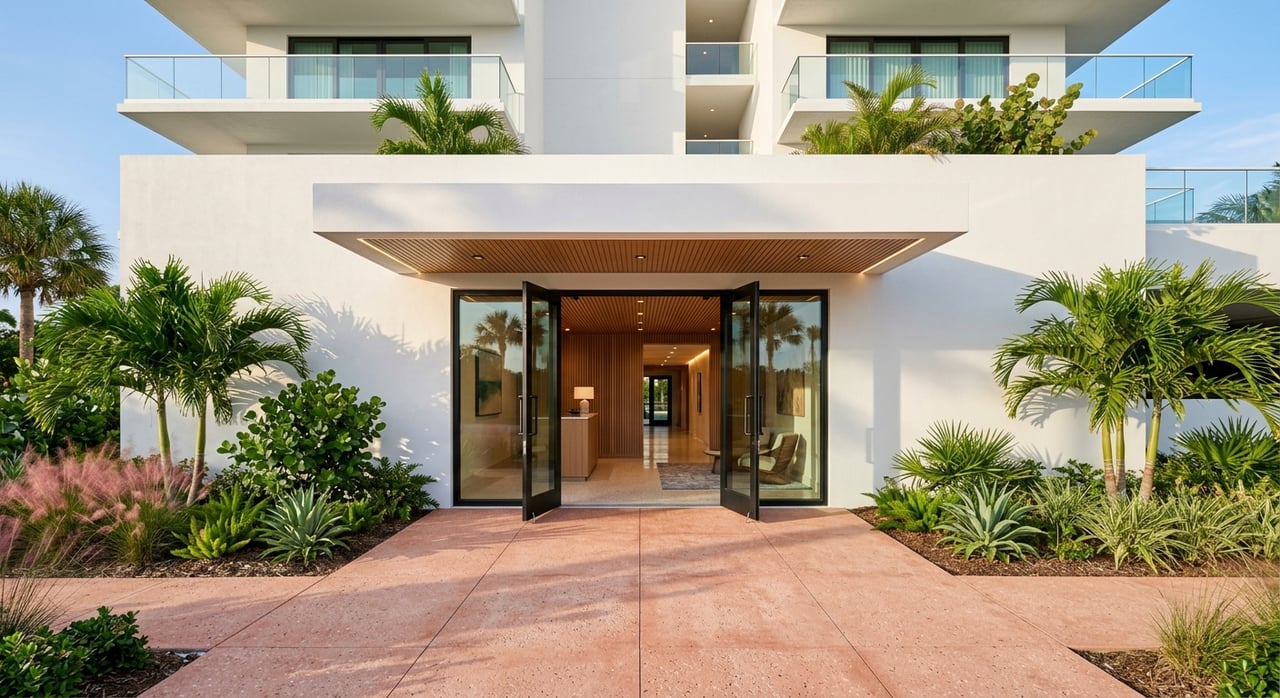
Many Chicago buyers picture St. Petersburg as mostly condos near the water, but the housing mix is broader than that. City materials describe a range of housing types, including condos, townhomes, duplexes, triplexes, quadplexes, accessory dwelling units, older Mediterranean-style homes, and Craftsman bungalows in historic areas. You can review that broader context in the city’s fair housing and planning materials.
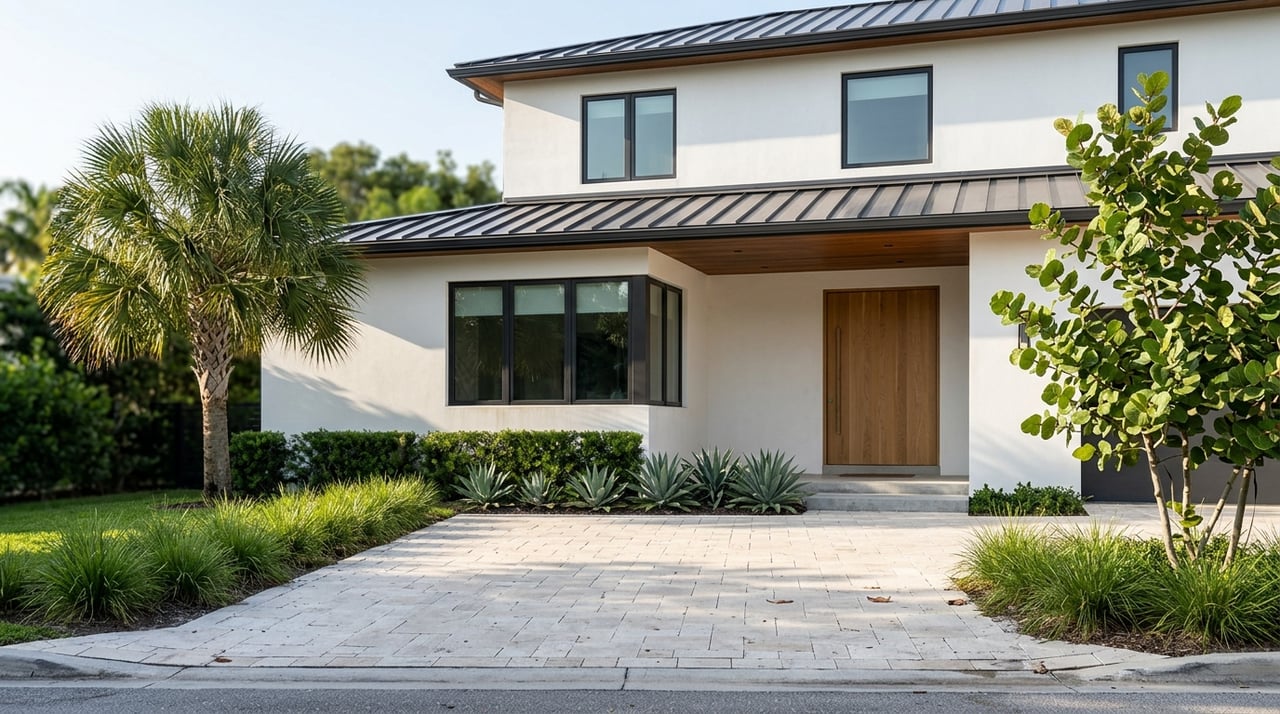
That variety matters because the right fit depends on your goals. A low-maintenance condo may make sense for part-time living, while a single-family home may offer more flexibility for full-time use, storage, pets, or future family visits. A townhome or small multi-unit property may appeal if you want a middle ground between space and upkeep.
Match the Home to Your Lifestyle
If you are relocating from Chicago, it helps to think beyond square footage. In St. Petersburg, ownership structure and maintenance burden often matter just as much as location.
Ask yourself:
- Will this be your full-time home or a seasonal property?
- Do you want minimal exterior maintenance?
- Are you comfortable with association rules and fees?
- Do you want yard space, a garage, or room for guests?
- Are you hoping to hold the home long term for retirement?
These answers can quickly narrow the field and save you from touring properties that do not match your actual plan.
Check Rental Rules Early
Some buyers hope a Florida home can offset costs with short-term rental income. That can be possible in some cases, but you should never assume the rules are the same from one property to the next.
In unincorporated Pinellas County, a short-term rental is defined as a home or unit rented for fewer than 30 days more than three times per year, and the ordinance applies to single-family homes, duplexes, condos, and accessory units. Municipalities can also have separate requirements, and individual condo or HOA rules may be even more restrictive. If rental flexibility is part of your decision, confirm the local and association rules before you make an offer.
Put Condo Due Diligence Front and Center
For many Chicago-to-St. Pete buyers, condos are the easiest entry point into the market. They can offer convenience and lower day-to-day maintenance, but they also require more document review than many out-of-state buyers expect.
Under Florida law, condo resale buyers are entitled to key documents including the declaration, articles, bylaws, rules, and the most recent year-end financial information, along with a question-and-answer sheet if requested. The contract may be voidable for 3 days after you receive those materials, as outlined in Florida Statute 718.503.
This review window is important, especially if you are moving quickly from out of state. A condo purchase is not just about the unit itself. You are also buying into the building’s financial health, maintenance history, and governance.
Focus on Reserves and Building Records
As of 2026, Florida condo safety and reserve requirements are a major part of the conversation. The state requires certain associations to complete a Structural Integrity Reserve Study, or SIRS, and those studies must cover major building components such as the roof, structure, plumbing, electrical systems, waterproofing, windows, and exterior doors for qualifying buildings. The state’s condo FAQs outline those requirements.
For you as a buyer, the key takeaway is simple: a low monthly HOA fee is not automatically a benefit. According to the state’s financial information guidance, reserve funding now plays a direct role in annual budgets, and underfunded associations may face special assessments or loans. In practice, that means you want to review financials, reserve studies, and any recent inspection materials before you get too far into the deal.
Look at Flood and Storm Exposure Early
In Chicago, weather planning might center on snow, freeze risks, and older masonry buildings. In St. Petersburg, your early planning should include flood zones, storm surge exposure, and evacuation zones.
Pinellas County notes that a property may be in a flood zone, storm-surge area, or evacuation zone, and homes in flood zones A or V may require flood insurance for federally backed mortgages. You can start with the county’s flood maps and resources. NOAA also states that Atlantic hurricane season runs from June 1 through November 30 in its seasonal overview.
This is one of the biggest mindset shifts for relocating buyers. You do not want to fall in love with a property first and ask flood questions later. Checking the maps early can help you compare ownership costs and risk factors before you invest time in inspections and negotiations.
Budget for Insurance and Waiting Periods
Insurance in Florida deserves attention at the very start of your search, not the week before closing. Pinellas County notes that flood insurance is separate from standard homeowners or renters coverage, and FEMA says flood insurance typically has a 30-day waiting period.
That means your pre-offer homework should include address-specific insurance quotes whenever possible. A home that looks affordable on paper can feel very different once homeowners and flood insurance are factored into the monthly cost. This is especially true for coastal, low-lying, or older properties.
Prepare for Florida Maintenance
Homes on Florida’s Gulf Coast age differently than homes in Chicago. Heat, humidity, salt air, and storm exposure all affect how you maintain a property over time.
Florida’s home-hardening guidance recommends paying close attention to roofs, hurricane straps, windows, doors, and garage doors. The state also notes that homes built in 2002 or later may be more resistant to hurricanes if those exterior systems are in proper condition. If you are comparing older bungalows to newer construction, this is worth weighing as part of your overall ownership plan.
Moisture control matters too. UF/IFAS notes that dehumidifiers can reduce moisture and help limit mold growth, and Florida requires home inspectors, mold assessors, and mold remediators to be licensed. If a home shows signs of moisture issues, it may make sense to bring in the right specialists during your inspection period.
Expect a Different Closing Process
Chicago buyers are often used to attorney-centered closings. In Florida, the process may look different.
The standard Florida Realtors and Florida Bar contract states that closing is conducted by the attorney or other closing agent designated by the party paying for the owner’s title policy, and the closing may happen by mail, overnight courier, or electronic means. That flexibility can be helpful if you are coordinating a move from another state.
It is also important to verify wire instructions directly with the title company. Florida Realtors specifically warns buyers to confirm those details to reduce fraud risk. A process-driven team can help you keep the moving pieces organized, but direct verification is still essential.
Plan for Florida Taxes
Your closing costs and future tax bill may not look like what you are used to in Illinois. The Florida Department of Revenue says documentary stamp tax applies to deeds, and nonrecurring intangible tax applies to mortgage debt secured by Florida real property.
After closing, your property taxes can also change more than expected. The Pinellas County Property Appraiser notes that assessed value returns to market value after a change in ownership, so a seller’s current tax bill is not a reliable estimate of yours. If you are comparing multiple homes, this is a smart number to review carefully with your lender and tax advisor.
Follow a Smarter Relocation Sequence
A Chicago-to-St. Petersburg move gets easier when you treat it like a project, not just a home search. The right order of operations can help you avoid rushed decisions and expensive surprises.
A practical roadmap looks like this:
- Define whether the purchase is a primary home, second home, or future retirement property.
- Narrow down the right property type based on maintenance, ownership structure, and long-term use.
- Check flood, storm-surge, and evacuation maps early for any address you are seriously considering.
- Request condo or HOA documents as early as possible for association-governed properties.
- Get homeowners and flood insurance quotes before you are fully committed.
- Review expected taxes, including transfer taxes and possible property tax reset after purchase.
- Close with the designated Florida closing agent and verify all wire instructions directly.
- After closing, create a first-year maintenance plan focused on storm prep, moisture control, and exterior systems.
Work With the Right Local Professionals
Long-distance moves go more smoothly when you have the right specialists lined up. Depending on the property, that may include a Florida title or closing agent, a condo or HOA attorney, a Florida-licensed home inspector, mold or wood-destroying organism specialists when needed, an insurance agent, and a CPA or tax advisor.
This is where working with an advisor who understands both Chicago and Florida can make a real difference. You need someone who can help you compare what feels familiar, what works differently, and what deserves extra review before you close. If you are planning a move from Chicago to Florida’s West Coast, Lisa Blume can help you build a step-by-step strategy that keeps the process clear, organized, and tailored to your goals.
FAQs
What should Chicago buyers know first about relocating to St. Petersburg?
- Start by deciding whether the home will be your primary residence, second home, or future retirement property, because that choice affects taxes, homestead eligibility, insurance planning, and rental expectations.
What makes St. Petersburg condo buying different from condo buying in Chicago?
- Florida condo resales involve a document-heavy review process, and you should closely review association rules, financials, reserve studies, and inspection-related records before moving forward.
What flood insurance issues matter when buying a home in St. Petersburg?
- A property may be in a flood zone, storm-surge area, or evacuation zone, and flood insurance is usually separate from homeowners insurance, with a typical 30-day waiting period.
What taxes can change after buying a home in Pinellas County?
- Property taxes may reset to market value after a sale, and buyers should also budget for Florida documentary stamp tax and, when financing, nonrecurring intangible tax.
What should Chicago buyers inspect closely in older St. Petersburg homes?
- Pay special attention to roofs, windows, doors, garage doors, moisture conditions, and any signs that mold evaluation or other licensed specialist inspections may be needed.
What is the best way to plan a Chicago-to-St. Petersburg relocation purchase?
- Treat the move like a step-by-step project by defining your goals early, checking flood and insurance issues upfront, reviewing condo documents thoroughly, and building the right local professional team before closing.