Trying to decide between Rogers Park and Edgewater? If you are searching on Chicago’s North Side, these two lakefront neighborhoods can look similar at first glance. Both offer Red Line access, close proximity to Lake Michigan, and a mix of apartments and condos, but the day-to-day feel and housing options are not exactly the same. This guide will help you compare the facts, clarify what matters most to you, and make a more confident move. Let’s dive in.
Start With the Big Picture
Rogers Park and Edgewater are neighboring North Side communities, and both offer dense urban living with strong transit access and lakefront amenities. According to the latest CMAP community snapshot data, Rogers Park had 54,388 residents and 25,978 households, while Edgewater had 56,146 residents and 29,985 households.
The two areas are close in size, but their household patterns differ a bit. Edgewater has a slightly older median age at 38.4, compared with 36.2 in Rogers Park. Household size is also a little smaller in Edgewater at 1.8 people on average, versus 2.0 in Rogers Park.
If you are deciding between the two, that means you may notice subtle differences in housing setup, building types, and how people use the neighborhood day to day. Neither is better across the board. The right fit depends on how you want to live.
Compare Housing Options
Housing is often the biggest factor in this decision, especially if you are choosing between renting now and buying later. Both neighborhoods are renter-majority, but Rogers Park leans more heavily in that direction.
Based on CMAP housing data, Rogers Park is 73.2% renter-occupied and 26.8% owner-occupied. Edgewater is still mostly renter-occupied, but less so, with 62.3% renter-occupied and 37.7% owner-occupied.
That difference can matter if you want a neighborhood with a somewhat larger ownership presence. It can also matter if you are focused on condo inventory or trying to understand the mix of rental buildings versus owner-occupied homes.
Rogers Park Housing Feel
Rogers Park has a slightly older housing stock overall. CMAP reports that 49.1% of housing units were built before 1940, with a median year built of 1941.
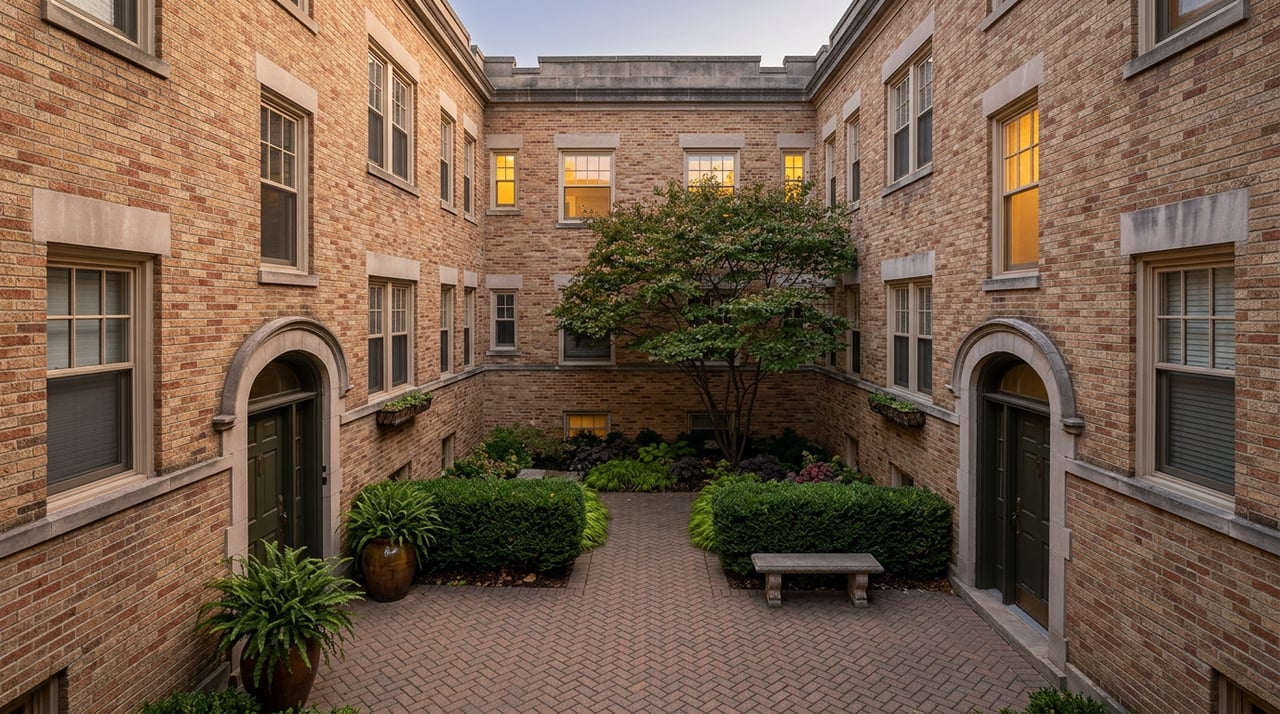
You will also find more mid-sized apartment stock here. The data shows Rogers Park has a larger share of 5 to 9 unit and 10 to 19 unit buildings combined, which suggests a more mixed mid-rise apartment landscape.
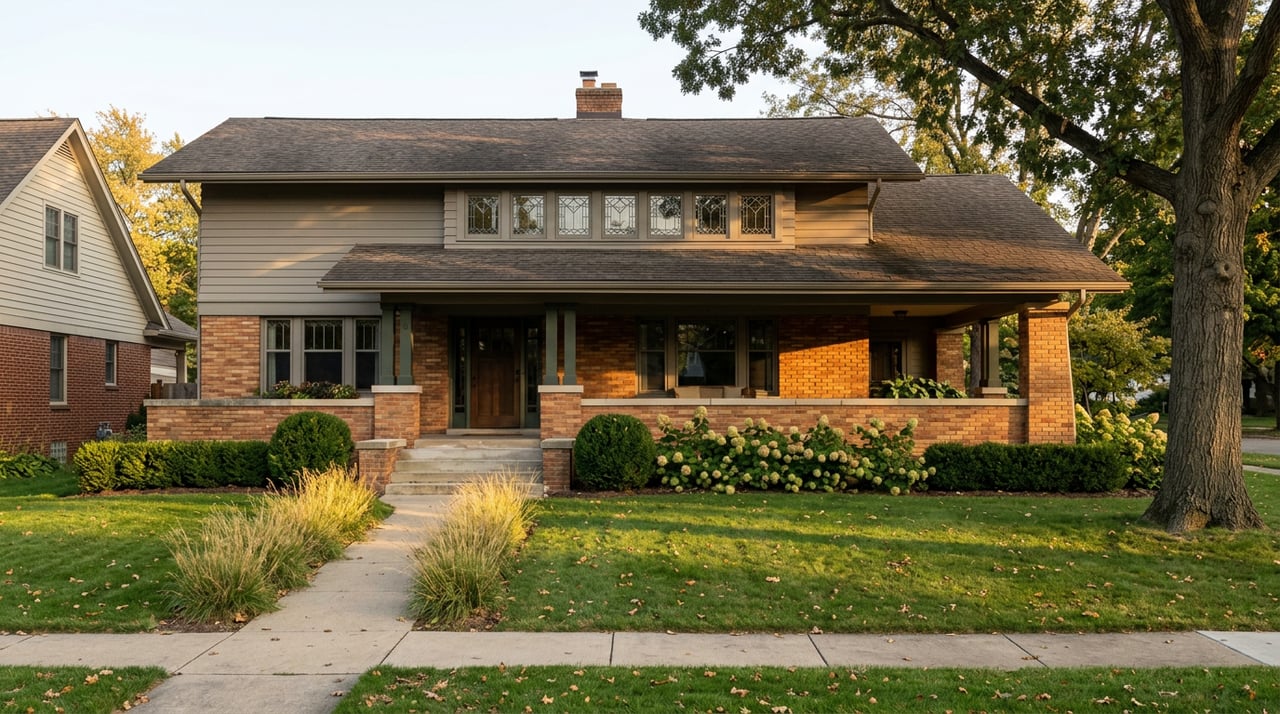
For many buyers and renters, that can translate into more variety in building types and layouts. If you like older housing character and a broader spread of smaller to mid-sized multi-unit buildings, Rogers Park may feel like a better match.
Edgewater Housing Feel
Edgewater’s housing stock is a bit newer by comparison. According to CMAP, 43.4% of units were built before 1940, and the median year built is 1948.
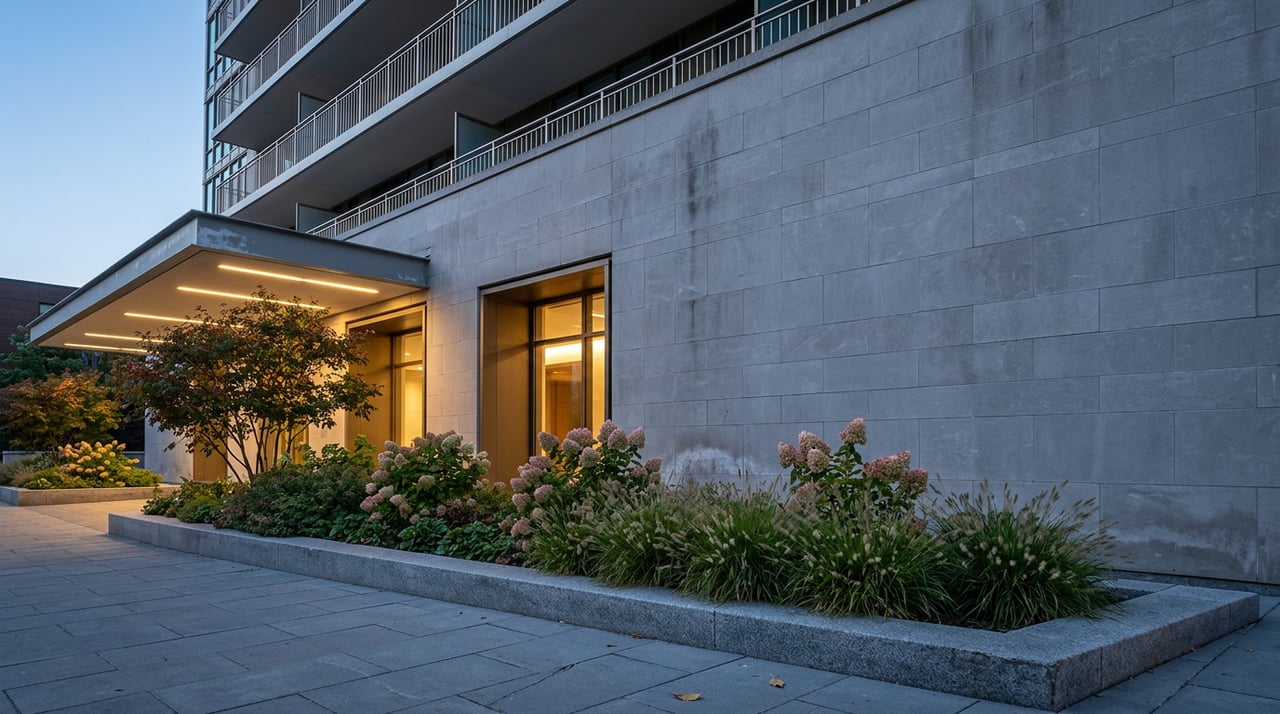
Edgewater also has a larger share of very large buildings. In fact, 54.7% of housing units are in 20-plus-unit buildings, compared with 39.9% in Rogers Park.
If you are drawn to larger condo or apartment buildings, this is a meaningful distinction. Edgewater may offer more of the high-density building style that some buyers and renters want, especially if building amenities or a more concentrated condo environment are part of your search.
Look at Transit and Commute Choices
If you rely on public transportation, both neighborhoods offer strong options. They are both served by the CTA Red Line, which provides 24-hour service between Howard and 95th/Dan Ryan.
That said, the transit advantage is slightly different in each neighborhood depending on your routine. If your goal is the newest station infrastructure, Edgewater stands out. If your goal is rail flexibility, Rogers Park has a strong case.
Edgewater Transit Advantage
In Edgewater, the Lawrence, Argyle, Berwyn, and Bryn Mawr stations reopened on July 20, 2025 as fully rebuilt, fully accessible stations with elevators, escalators, wider platforms, and other updated features, according to the CTA Red and Purple Modernization project page.
For transit-first households, that newer infrastructure can make a real difference in daily convenience. Accessibility upgrades and improved station design may also be especially valuable if you commute often or simply want a more modern station experience.
Rogers Park Transit Advantage
Rogers Park centers on the Howard, Jarvis, Morse, and Loyola Red Line stations. Howard is especially notable because it also serves as a transfer point for the Yellow and Purple lines, based on CTA Red Line information.
Rogers Park also adds another rail option: Metra Union Pacific North service at the Rogers Park station. If you want more than one rail system available to you, Rogers Park offers a little more flexibility.
Think About Lakefront Access
Both neighborhoods benefit from easy access to Lake Michigan, but the lakefront experience is shaped differently in each one. If being near the water is one of your top priorities, it helps to think beyond just distance and focus on how you want to use the space.
Rogers Park Lakefront
Rogers Park includes several named beach parks, including Loyola Beach, North Shore Beach Park, and Rogers Beach Park. Loyola Beach includes a nearly two-thirds-mile walking trail along Lake Michigan.
If your ideal routine includes beach access, walking by the lake, or rotating between several nearby outdoor spots, Rogers Park offers a strong variety of waterfront park options.
Edgewater Lakefront
Edgewater’s lakefront amenities include Berger Park, which overlooks Lake Michigan, and Interfaith Park, which sits across from Lane Beach and playground. The area also connects its lakefront identity with broader public improvements near the rebuilt Red Line corridor.
According to the CTA’s project update on new community space in Edgewater and Uptown, the Lawrence-to-Bryn Mawr project also created new community space under the tracks between Lawrence and Ardmore. If you value a combination of transit upgrades and nearby public gathering space, Edgewater may stand out.
Consider Everyday Convenience
A neighborhood is not just about your home. It is also about how errands, dining, markets, and daily routines fit together. Rogers Park and Edgewater each have active commercial corridors, but their layouts differ.
Rogers Park Corridors
Rogers Park’s retail activity is spread across multiple corridors. The Rogers Park Business Alliance administers special service areas on Howard Street, Clark/Morse/Glenwood, Devon Avenue, and Sheridan Road, and its Camino Clark cultural district runs from Howard to Devon.
Rogers Park also hosts the Glenwood Sunday Market on Glenwood between Lunt and Morse from June through October. If you like a neighborhood with several distinct commercial pockets instead of one dominant main drag, Rogers Park may fit your style.
Edgewater Corridors
Edgewater’s commercial activity is more concentrated along Broadway and Devon. The Edgewater Chamber of Commerce notes that SSA #26 covers Broadway from Foster to Devon and Devon from Broadway to Glenwood.
The neighborhood also offers a Monday market at Broadway Armory in summer and an indoor market there in winter. If you want a more centralized pattern for shopping and everyday stops, Edgewater may feel simpler to navigate.
A Simple Decision Framework
If you are torn between the two, it helps to narrow your choice based on how you actually plan to live. Here is a practical side-by-side summary.
| If you want... | You may prefer... |
|---|---|
| Slightly newer housing stock | Edgewater |
| A higher share of owner-occupied homes | Edgewater |
| Newest Red Line station infrastructure | Edgewater |
| More large apartment or condo buildings | Edgewater |
| More rental-heavy housing options | Rogers Park |
| More mid-rise multi-unit building variety | Rogers Park |
| Access to both CTA and Metra | Rogers Park |
| A wider spread of commercial corridors | Rogers Park |
This framework is based on the housing, transit, and corridor data in the sources above. It is a helpful starting point, but your best fit will still come down to budget, building type, commute, and the kind of block-by-block lifestyle you want.
How To Choose With Confidence
If you are early in your search, start by ranking your top three priorities. For most buyers and renters, those priorities usually include home style, commute, and day-to-day convenience.
You may want to choose Edgewater if you prefer slightly newer housing, more large-building inventory, and the benefit of fully rebuilt Red Line stations. You may want to choose Rogers Park if you value older housing character, a broader mix of mid-sized buildings, added Metra access, and a more spread-out set of neighborhood corridors.
The good news is that you do not have to figure it out from online listings alone. Touring both neighborhoods with a clear strategy can quickly show you which one feels more aligned with your routine, goals, and budget.
If you are weighing Rogers Park versus Edgewater and want help narrowing the options, Lisa Blume can help you compare homes, commute patterns, and neighborhood tradeoffs with a clear plan and local insight.
FAQs
What is the main difference between Rogers Park and Edgewater for homebuyers?
- Rogers Park is more renter-heavy and has more mixed mid-rise housing, while Edgewater has a higher share of owner-occupied homes, slightly newer housing stock, and more large buildings.
Which neighborhood has better transit access, Rogers Park or Edgewater?
- Both have Red Line access, but Edgewater has newly rebuilt Red Line stations, while Rogers Park offers added flexibility with the Howard transfer hub and Metra Union Pacific North service.
Is Rogers Park or Edgewater better for lakefront access?
- Both offer strong access to Lake Michigan, but Rogers Park has several named beach parks and a walking trail at Loyola Beach, while Edgewater pairs lakefront amenities with nearby public-space improvements tied to transit upgrades.
Which neighborhood has more owner-occupied housing, Rogers Park or Edgewater?
- Edgewater has more owner-occupied housing at 37.7%, compared with 26.8% in Rogers Park, according to CMAP data.
How should you choose between Rogers Park and Edgewater in Chicago?
- Start with your priorities, including building type, commute needs, and preferred commercial layout, then compare which neighborhood better matches the way you want to live day to day.