Selling your current home while trying to buy the next one can feel like a high-wire act, especially in Albany Park. You are trying to line up timing, money, paperwork, and two sets of deadlines without ending up with two mortgages or two moves. The good news is that with the right plan, you can make the process far more manageable. Here is how to think through a smooth sell-and-buy move in Albany Park, step by step. Let’s dive in.
Why timing matters in Albany Park
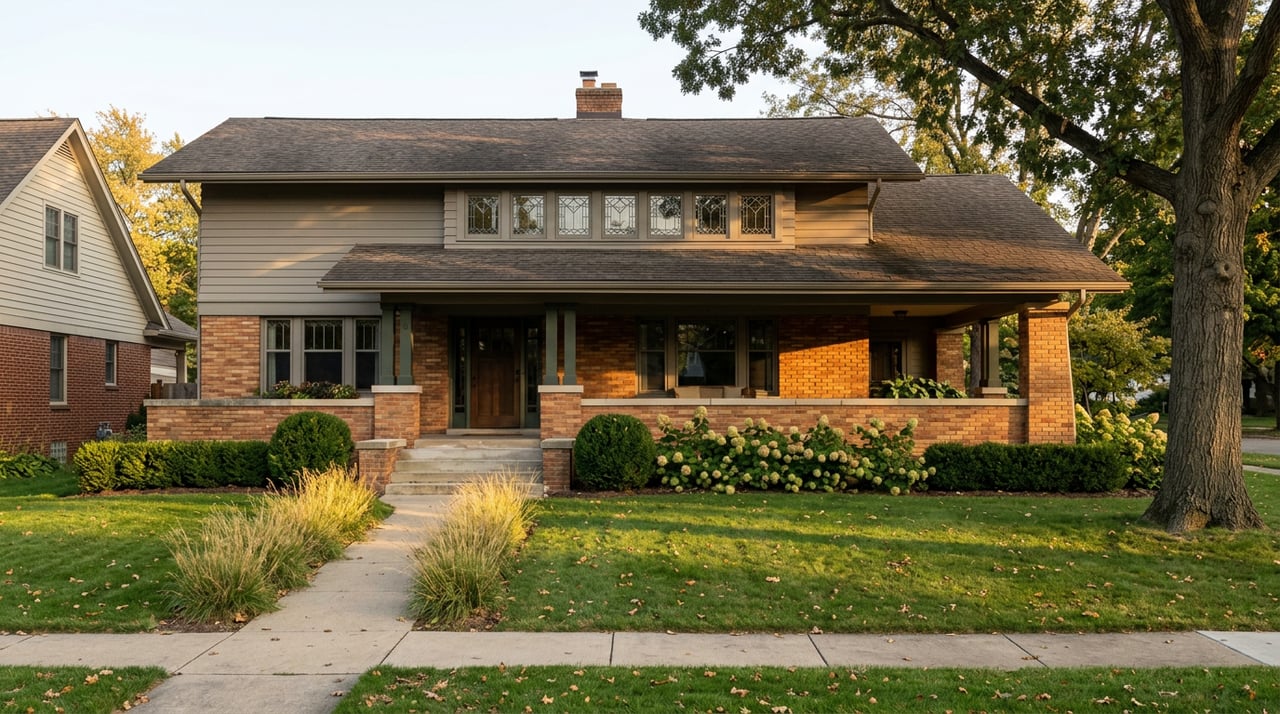
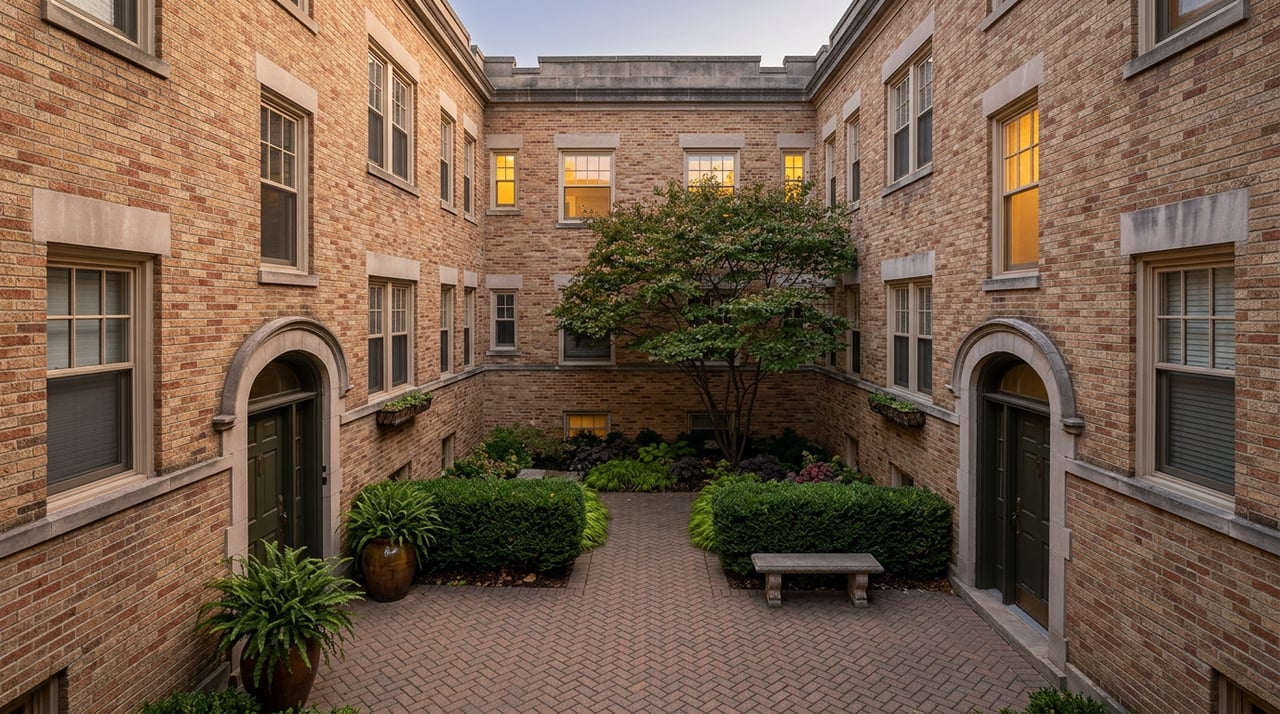
Albany Park has 17,294 occupied housing units, and the area includes a mix of owners and renters, with 42.1% owner-occupied and 57.9% renter-occupied. The housing stock is also older, with community data showing a median year built in the 1930s. Much of the neighborhood is made up of 2 to 4 unit buildings and 5 to 49 unit buildings, which means many buyers and sellers are working through inspections, shared building details, and older-property questions.
That matters if you are trying to sell and buy at the same time. In a neighborhood with older housing and a mortgage-heavy owner base, the move is often less about finding one perfect home and more about coordinating inspections, title work, mortgage payoff timing, and closing dates.
Local affordability numbers also help explain the pressure many households feel. Albany Park data shows a median household income of $82,250, median gross rent of $1,341, and median monthly owner costs with a mortgage of $2,495. On top of that, 69.3% of owner-occupied households have a mortgage, so many moves depend on using current-home equity in a careful, well-timed way.
Start with your budget first
Before you tour homes or prepare your listing, get clear on what you can comfortably afford. A lender can help you estimate the full monthly payment, including principal, interest, property taxes, and homeowners insurance. If your down payment is under 20%, mortgage insurance may also affect your payment.
It is also smart to shop multiple lenders and get preapproved early. A preapproval letter gives you a clearer price range and helps you move faster when the right home comes up.
If you are selling and buying at once, this step matters even more. You need to know whether your next purchase depends on proceeds from your current home, how much cash you will need at closing, and what your options are if the timelines do not match perfectly.
Bring your attorney in early
In Illinois, your attorney should be part of the process before you sign anything, and ideally before you make an offer. The Illinois State Bar Association advises buyers to retain a qualified real estate attorney early so they can review the contract, explain contingencies, monitor deadlines, and handle title and survey review.
Your attorney also helps verify tax prorations and closing figures. When you are managing both a sale and a purchase, that guidance can keep small issues from turning into major delays.
This is one of the biggest ways to reduce stress. Instead of reacting to problems late, you can structure the deal correctly from the start.
Choose your move strategy before listing
One of the most important decisions is how you want the two transactions to connect. That choice should shape your listing date, offer terms, possession date, and target closing window.
Here are the main paths to consider.
Sale contingency
A sale contingency can allow you to buy your next home before you are fully out of your current one. The Chicago Association of REALTORS® has a Buyer’s Real Estate Sale & Closing Contingency rider that makes the purchase contingent on the sale and closing of your current property by a stated date.
This can protect you if you need your current home to close before the next purchase can happen. If you do not close by the contingency date, the contract can be voided and your earnest money returned. But there is a tradeoff: if the seller receives another acceptable offer, you may have to remove the contingency or lose the deal.
Post-closing occupancy or rent-back
Another option is a formal post-closing occupancy agreement, sometimes called a rent-back or use-and-occupancy arrangement. This can allow you to sell your current home, close, and remain in the property for an agreed period while you finish your purchase or move.
Illinois State Bar Association guidance notes that these arrangements should be formally negotiated and drafted by an attorney. The agreement should address occupancy charges, utilities, insurance, maintenance, penalties, and what happens if someone stays longer than agreed. In other words, this should never be handled as a casual handshake favor.
Bridge financing
A bridge loan can help if you need access to equity before your current home sells. Research guidance describes bridge financing as temporary financing, often with a term of 12 months or less, used when a buyer plans to sell a current home within that period.
This option may help you buy first and sell second, but it adds another financial layer. You will want to review terms carefully with your lender and understand how the temporary loan fits into your monthly budget and risk tolerance.
Temporary housing
If a sale contingency or post-closing occupancy agreement does not work, temporary housing may be the practical backup plan. It is not always ideal, but it can give you flexibility if the sale closes before your next purchase is ready.
Sometimes the smoothest long-term outcome involves a short-term inconvenience. The key is deciding this early so you are not scrambling at the end.
Keep both transactions moving together
Once you are under contract, strong coordination matters more than ever. Closing is not just about showing up on one date. It depends on loan approval, title commitment review, survey review, inspection repair resolution, and the final pre-closing walkthrough or inspection.
In Illinois, closing usually takes place at the title company or an attorney office, with the buyer, seller, attorneys, agents, escrow closer, and sometimes the lender involved. When you are both selling and buying, delays on one side can affect the other, so every milestone needs active follow-up.
This is where a process-driven team can make a real difference. You want clear communication between your lender, attorney, title company, and real estate team so dates, documents, and expectations stay aligned.
Pay extra attention to inspections and title work
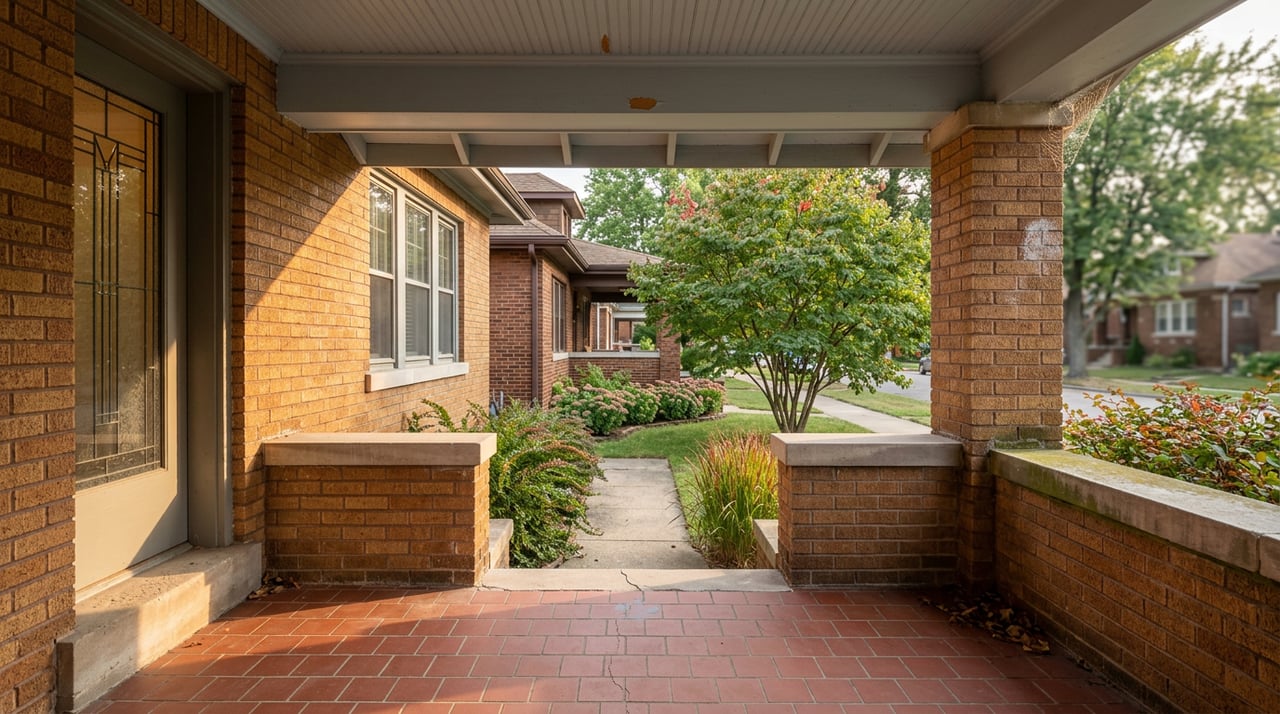
Albany Park’s housing stock is largely prewar, and that older inventory often requires closer review during the contract period. Inspection issues, repair negotiations, title review, and survey questions can all affect timing.
That does not mean older homes are a problem. It means you should build enough time into your plan to evaluate the property carefully and handle next steps without rushing.
If you are selling an older home and buying another one, you may be balancing inspection responses on both sides at once. That is another reason a detailed calendar and steady communication are essential.
Do not overlook Chicago utility paperwork
One Chicago-specific item can catch sellers off guard: the Full Payment Certificate, or FPC. The City of Chicago states that an FPC is required for real property transfers unless otherwise provided by law or rule, and it is the document needed to obtain Chicago real property transfer tax stamps for recording the deed.
The city advises allowing at least 10 business days for processing, and incomplete applications are not accepted. Some FPCs may be completed the same day, but same-day completion is not guaranteed.
That means utility and transfer paperwork should be part of your move timeline early, not something saved for the week of closing.
What the FPC usually requires
The City of Chicago says the application commonly requires proof of the transaction, such as:
- A signed sales contract listing both buyer and seller
- Or a title commitment Schedule A
The application can be submitted by the seller, the buyer, or either party’s attorney. Because the FPC is tied to the water and sewer account transfer process, both transferor and transferee can be liable for unpaid charges if a required FPC is not obtained.
In plain terms, this is one more reason to stay organized. Utility cleanup is part of the closing process, not a post-closing errand.
A simple sell-and-buy game plan
If you want the process to feel more manageable, use this sequence as your starting point:
- Review your budget and get preapproved with a lender.
- Bring your attorney in before offers or contracts.
- Choose your move strategy before listing your current home.
- Set target dates for listing, contract, closing, and possession.
- Stay on top of inspections, title work, and loan milestones.
- Start Chicago FPC and utility paperwork early.
- Confirm your moving plan well before the final week.
This kind of plan does not remove every variable. But it gives you a structure that helps you make decisions with less stress and more confidence.
How a smooth move really happens
A smooth move in Albany Park usually comes down to preparation, not luck. You need a realistic budget, the right contract strategy, early attorney involvement, and close coordination across everyone involved in the transaction.
You also need a plan that fits your life. Some homeowners need the protection of a sale contingency. Others benefit more from a formal rent-back, bridge financing, or a short temporary stay between homes.
In a neighborhood where many homes are older and many owners still carry a mortgage, the details matter. When the process is managed carefully, selling and buying at the same time can feel much more controlled and a lot less chaotic.
If you are thinking about your next move in Albany Park, working with a team that can map the timeline, coordinate the moving pieces, and keep communication clear can make all the difference. If you want help building a step-by-step plan, reach out to Lisa Blume for guidance tailored to your move.
FAQs
Can I buy a home in Albany Park before I sell my current home?
- Yes, in some cases. A sale contingency, bridge financing, or a post-closing occupancy agreement may help, depending on your finances, timing, and contract terms.
What is a sale contingency in an Albany Park home purchase?
- A sale contingency makes your purchase contingent on the sale and closing of your current home by a specific date. If that deadline is not met, the contract may be voided and earnest money may be returned, depending on the rider terms.
What is a rent-back when selling a home in Chicago?
- A rent-back, also called post-closing occupancy or use and occupancy, lets a seller remain in the home for a set time after closing under a formal written agreement drafted by an attorney.
When should I hire a real estate attorney for an Illinois home purchase or sale?
- The Illinois State Bar Association advises bringing in a qualified real estate attorney before signing anything, and ideally before making an offer.
What Chicago paperwork can delay a home closing?
- The Full Payment Certificate can affect timing because it is required for many real property transfers in Chicago, and the city advises allowing at least 10 business days for processing.
Why do older Albany Park homes need extra closing coordination?
- Albany Park has a large share of prewar housing, so inspections, repair discussions, title review, and related contract work may require more attention during the transaction.
How do I avoid making two moves when selling and buying in Albany Park?
- The most common ways are using a sale contingency, negotiating a formal post-closing occupancy agreement, exploring bridge financing, or planning temporary housing if the dates do not line up.