Selling a Logan Square two-flat while living somewhere else can feel like a lot to manage at once. You are trying to make smart pricing decisions, coordinate access with tenants, handle disclosures correctly, and keep the process moving without being there in person. The good news is that with the right plan, you can stay organized, protect your timeline, and make the sale far less stressful. Let’s dive in.
Why Logan Square two-flats need a plan
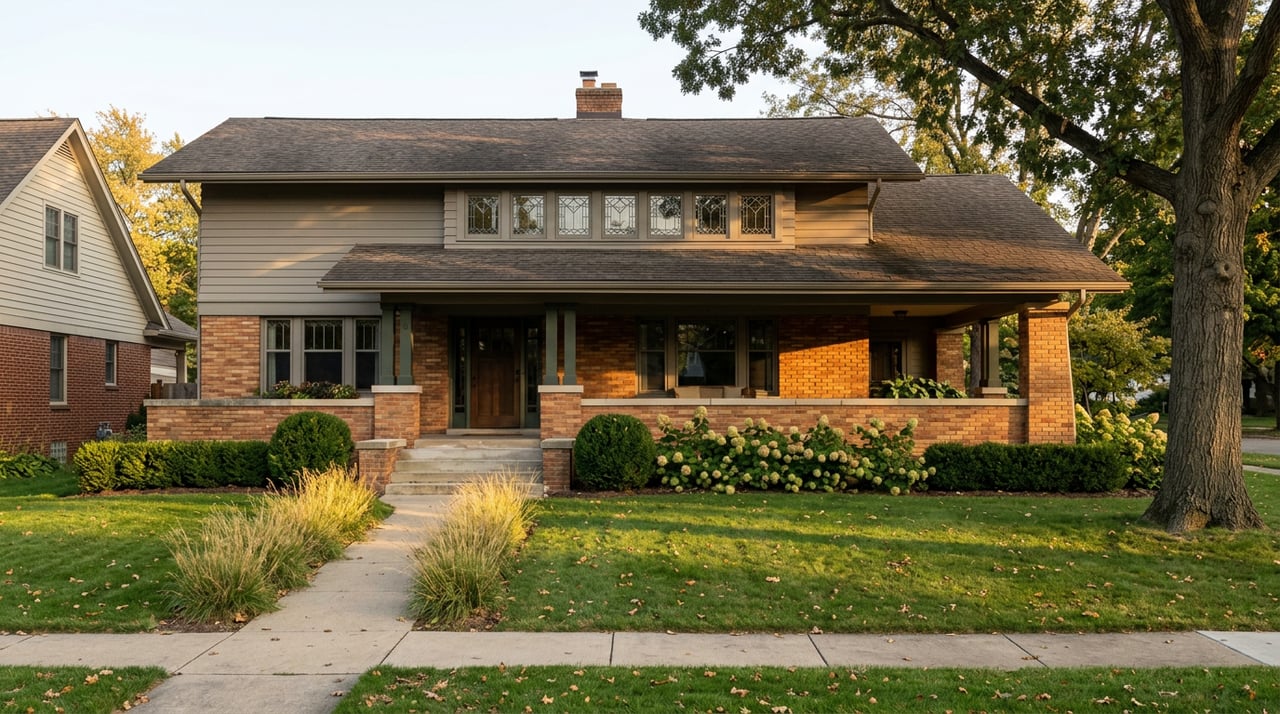
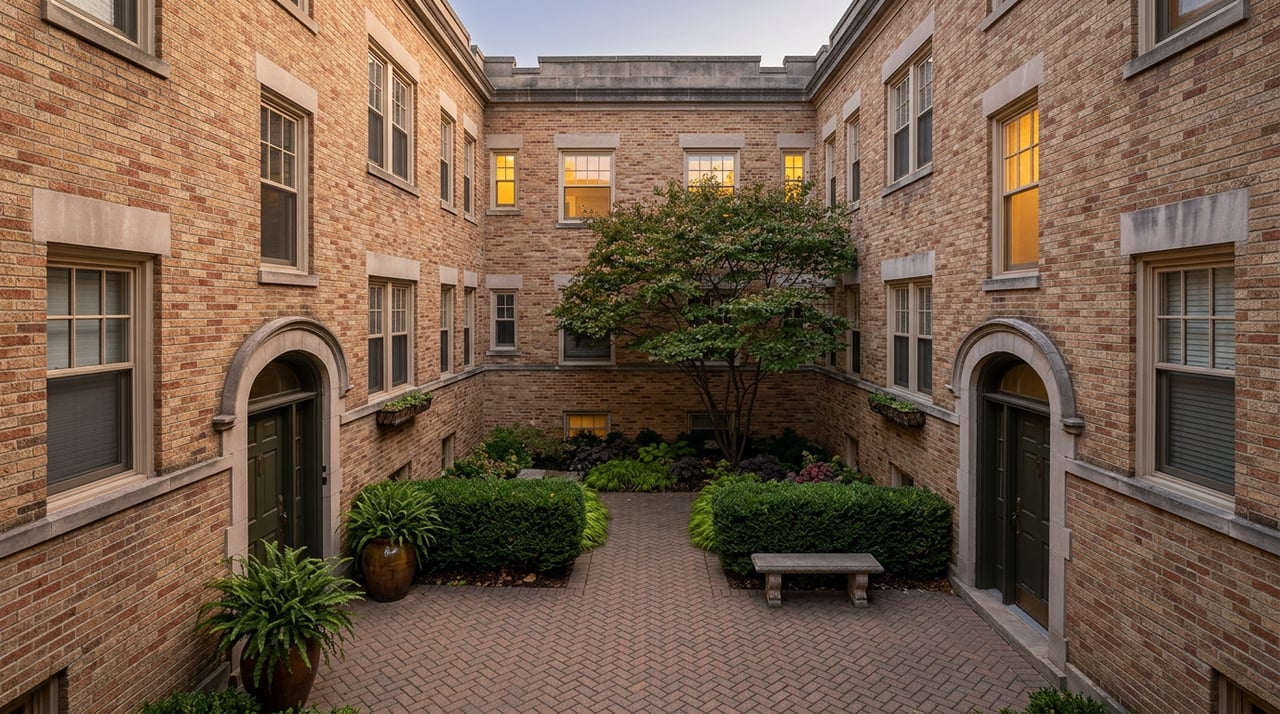
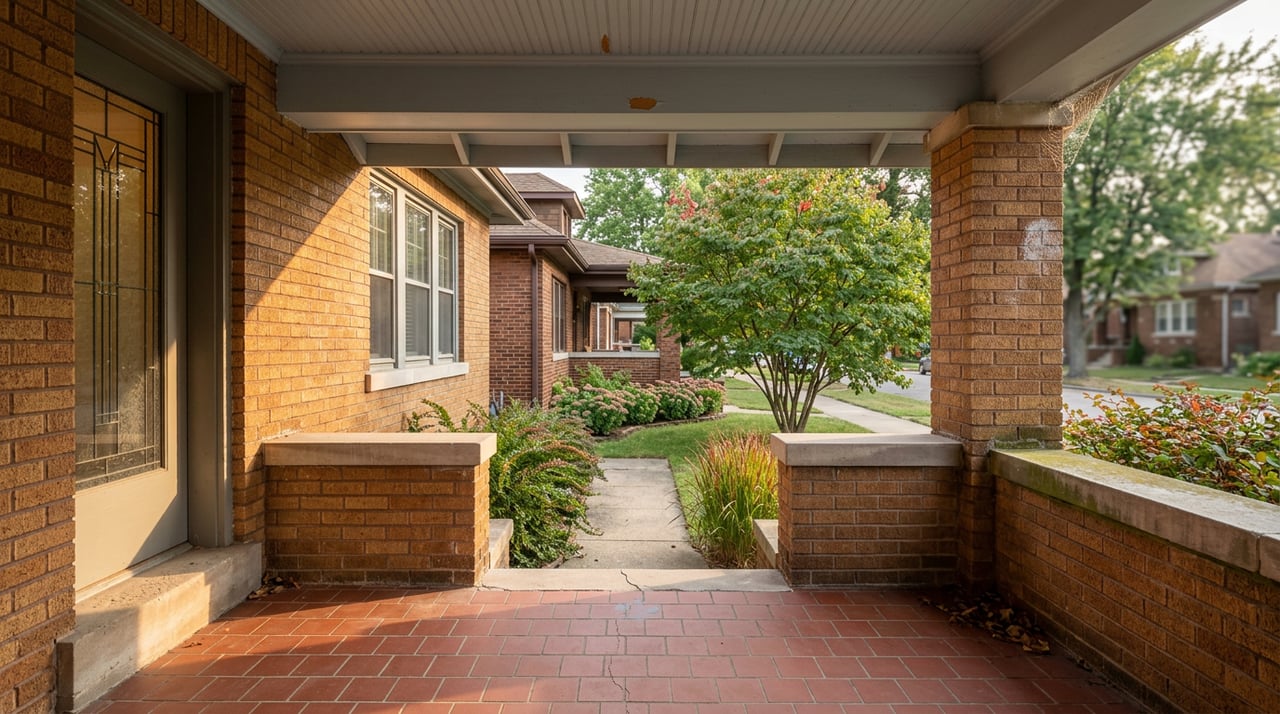
Logan Square has a large share of two-to-four-unit housing, and much of that housing stock is older. In 2024, 39.2% of the neighborhood’s housing units were in 2-4 unit buildings, and the median year built was 1944. Nearly 59.5% of units were built in 1939 or earlier.
That matters because older two-flats often come with more moving parts. You may be dealing with long-term tenants, aging systems, older finishes, and records that need to be pulled together before the property goes live. When you are selling from afar, each of those details needs structure.
The market side matters too. Redfin reported a Logan Square median sale price of $577,500 in March 2026, with homes averaging 41 days on market, and described the market as very competitive. That means preparation matters because once your property is ready, buyer interest can move quickly.
What makes an occupied remote sale different
If your two-flat is tenant occupied, your sale is not just about listing photos and pricing. It is also about timing, communication, and following Chicago and Illinois rules in a consistent way.
In Illinois, a two-flat falls under the Residential Real Property Disclosure Act because it covers residential property with 1-4 dwelling units. You must complete the disclosure report and deliver it before the contract is signed. Illinois also allows delivery by email or other electronic means, which helps when you are selling remotely.
That disclosure obligation does not stop once you send the form. If you learn about a new error or omission before closing, Illinois requires a supplemental disclosure. For a remote seller, that is a key reason to treat the sale like a managed project rather than a simple list-and-wait process.
Chicago showing rules for tenant-occupied units
One of the biggest misunderstandings in an occupied sale is access. In Chicago, landlords do have the right to enter a dwelling unit to show it to prospective purchasers, but that right comes with rules.
Under the Chicago Residential Landlord and Tenant Ordinance, landlords generally must give at least two days' notice and enter at reasonable times. The ordinance treats 8:00 a.m. to 8:00 p.m. as presumptively reasonable. Tenants may not unreasonably withhold consent, but access cannot be abused or used to harass them.
For you, that means random last-minute showings are usually not the best approach. A repeatable showing schedule tends to work better because it gives tenants predictability and helps your team coordinate entries correctly.
Why communication matters so much
When you are not local, communication becomes part of the sales strategy. Chicago requires owner or manager contact information to be given in writing at or before the start of tenancy and kept current, and that obligation also applies to successor landlords.
In practical terms, a long-distance sale usually runs more smoothly when there is a clear local point person. That person can help coordinate vendors, keep tenants informed, and make sure entry happens on the correct timetable. This is not a separate legal requirement, but it is a practical response to how notice and access rules work in Chicago.
Good communication also protects you from mistakes. Chicago prohibits retaliatory conduct against tenants who complain in good faith about code issues, and landlords cannot use lock changes, utility interruptions, or similar shortcuts to make a building easier to show or sell. If the property is occupied, the process has to stay lawful and professional from start to finish.
A smart remote selling workflow
Selling from afar works best when you break the process into stages. That gives you a clear checklist and helps avoid surprises right before closing.
1. Start with a document audit
Before photos or showings, gather the records a buyer is likely to ask about. This often includes leases, rent status, security-deposit records, disclosure items, and any code or lead-related records you have.
This step matters because your disclosures need to be accurate, and buyers of multi-unit property often look closely at occupancy and paperwork. If anything has changed recently, it is better to identify it early than scramble later.
2. Review prep and repair needs
Because Logan Square has a large stock of older buildings, prep work should be planned carefully. If the building was built before 1978, lead-based paint rules may apply.
Before sale, sellers, landlords, agents, and property managers must disclose known lead-based paint information, provide the required EPA/HUD pamphlet, and share available records and reports. In multi-unit buildings, this can include common areas and other units if there were building-wide evaluations. If planned repairs or cosmetic work will disturb paint in pre-1978 housing, lead-safe work requirements apply.
3. Create a showing plan
Remote sales work better when showing windows are consistent. Instead of handling every request one by one with no structure, it often helps to set specific windows that fit Chicago's notice and reasonable-time rules.
That approach can reduce confusion for tenants and make coordination easier for your listing team. It also gives buyers a clear sense of when access is available, which can help keep momentum strong once the property launches.
4. Price and launch with purpose
In a competitive market like Logan Square, your launch should feel intentional. Pricing, presentation, and responsiveness all matter.
This is where a process-driven team can make a difference. Professional photography, floor plans, video tours, 3D tours, virtual staging, and drone footage for higher-priced listings can support the story of the property and help buyers understand the layout before they visit. For a remote seller, strong upfront marketing can also help reduce wasted showings and attract more serious interest.
5. Line up the closing team early
Closing a Chicago-area sale includes more than signing final papers. In Illinois, transfer-tax declarations are handled through MyDec, including City of Chicago Form 7551 and the applicable state PTAX forms.
Starting that coordination early can help prevent last-minute delays. It is especially helpful when you are out of state and relying on your team to keep attorneys, title, paperwork, and deadlines aligned.
Common mistakes remote sellers can avoid
Selling from afar is very doable, but a few mistakes come up again and again.
Assuming showings can happen anytime
Tenants do not have to allow unlimited access with no structure. Chicago's rules generally require at least two days' notice and reasonable showing times. A clear showing plan is usually more effective than trying to force ad hoc access.
Forgetting to update disclosures
If repairs uncover a new issue or you learn something material before closing, Illinois requires a supplemental disclosure. This is one of the easiest details to miss in a remote transaction, especially when work is being done locally and updates are coming in from different people.
Overlooking security-deposit transfer
At closing, tenant funds need careful attention. Under Chicago's RLTO, the successor landlord becomes liable for the tenant's security deposit and prepaid rent, and the transferor remains jointly and severally liable until those funds are transferred and the tenant receives written notice within ten days identifying the successor landlord or agent.
That is a major handoff item in a two-flat sale. It should be tracked as carefully as the contract timeline.
Starting work without checking lead rules
Older Logan Square buildings often need thoughtful prep. If your building is pre-1978, cosmetic work that disturbs paint may trigger lead-safe work requirements, so it is important to confirm the right approach before repairs begin.
What to expect on timing
A remote sale usually takes more coordination than a vacant condo or owner-occupied single-family home. Between document gathering, prep, tenant notice, showings, disclosure updates, and closing coordination, it is smart to plan for a multi-week process rather than a one-day listing event.
That does not mean the process has to feel overwhelming. It means the best results usually come from having a clear roadmap, strong local coordination, and consistent follow-through from launch to closing.
How the right team helps
When you are selling a Logan Square two-flat from afar, you need more than someone to put the property in the MLS. You need a team that can think like a project manager, communicate clearly, and keep all the moving pieces aligned.
That includes coordinating prep, helping structure showing logistics, guiding marketing decisions, managing offer-to-close communication, and keeping the process organized when you are not on site. For long-distance owners, that kind of hands-on support can make the sale feel far more manageable.
If you are getting ready to sell and want a clear plan for pricing, prep, tenant logistics, and next steps, connect with Lisa Blume for a thoughtful, process-driven strategy.
FAQs
How do showings work for a tenant-occupied Logan Square two-flat?
- In Chicago, landlords generally must give at least two days' notice before entry and show the unit at reasonable times, with 8:00 a.m. to 8:00 p.m. presumed reasonable.
What disclosures are required when selling a Logan Square two-flat?
- Illinois requires sellers of 1-4 unit residential property to complete and deliver the Residential Real Property Disclosure Report before the contract is signed, and a supplemental disclosure is required if a new error or omission is discovered before closing.
What if my Logan Square two-flat was built before 1978?
- You may need to provide lead-based paint disclosures, share any available records or reports, and make sure any paint-disturbing work follows applicable lead-safe requirements.
What happens to tenant security deposits at closing for a Chicago two-flat sale?
- Under Chicago's RLTO, the successor landlord becomes liable for security deposits and prepaid rent, and the seller remains liable until the funds are transferred and the tenant receives written notice within ten days.
How long does it take to sell a Logan Square two-flat from afar?
- The timeline depends on prep, tenant scheduling, disclosures, and closing coordination, but remote occupied sales usually work best when you plan for several weeks of preparation and showings rather than a fast upload-and-close approach.