If you picture the West Loop as one kind of home, you may miss what makes this neighborhood so appealing. In just a few blocks, you can find brick-and-timber lofts, newer mid-rise condos, and full-amenity towers that offer a very different daily experience. If you are trying to decide between character, convenience, or a blend of both, this guide will help you sort through your options and narrow in on the right fit. Let’s dive in.
West Loop Home Styles at a Glance
West Loop’s housing mix reflects its industrial roots and its steady wave of redevelopment. What was once a meat-packing and warehouse district is now known for adaptive reuse, Restaurant Row, and new residential construction.
That means you are not choosing from one standard housing type. In West Loop, the real decision is often where you want to land on the spectrum between historic loft character and newer luxury convenience.
Why the mix feels unique
Part of West Loop’s identity comes from old industrial buildings that were converted for residential use. At the same time, newer planned developments have added towers and modern condo buildings with a broader range of amenities.
The neighborhood is still evolving, too. A 2021 update in the Fulton Market Innovation District allowed residential uses north of Lake Street and set a 30% affordability goal for new residential projects in that area, which helps explain why new housing continues to enter the market alongside older loft inventory.
Classic Lofts in West Loop
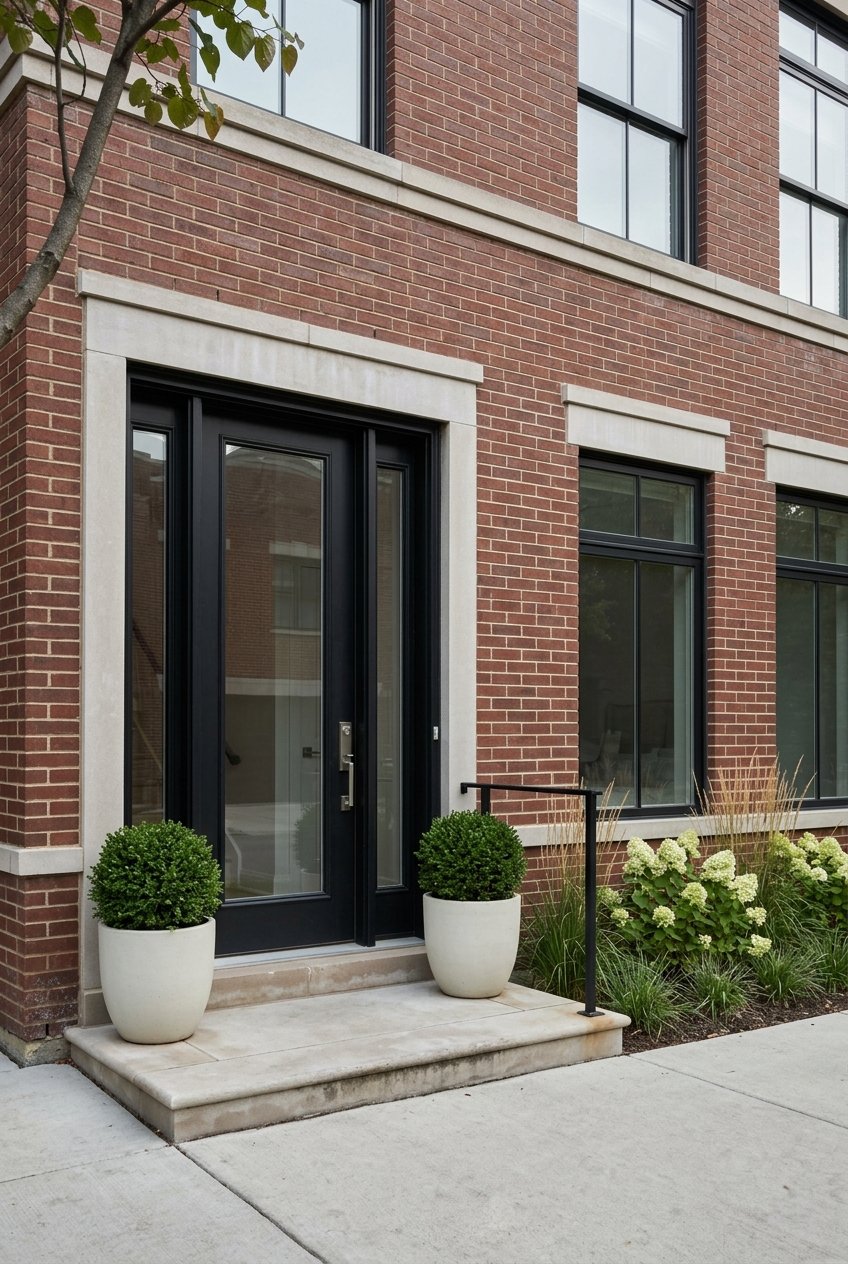
When many buyers think of West Loop, they think of lofts first. These are often the neighborhood’s signature homes, with brick facades, large windows, tall ceilings, and a strong industrial look that connects directly to the area’s past.
Preservation Chicago notes that many of these buildings were originally industrial structures with heavy timber or reinforced-concrete framing and wide footprints. In practical terms, that often translates to dramatic interior volume and a layout that feels different from a standard condo.
What loft buyers usually love
Lofts tend to stand out for space, texture, and light. You may find ceiling heights in the 10- to 14-foot range, open floor plans, and oversized windows that bring in strong natural light.
For many buyers, that combination creates a home that feels both relaxed and architectural. If you want original materials, warehouse-era details, and a less cookie-cutter floor plan, a loft may be the right starting point.
What to watch before you buy a loft
Not every loft is the same. Because these homes come from conversion projects, layout, finish level, and building condition can vary widely from one address to another and even from one unit to the next.
That means your search should be more case-by-case than it would be in a newer building with more consistent floor plans. Two lofts with similar square footage can live very differently depending on updates, window placement, and how the original building was adapted.
Why true loft inventory can feel limited
West Loop lofts are also a finite resource. Preservation Chicago reports that the Fulton-Randolph Market Landmark District protects about 85 historic industrial buildings, but that district covers only roughly 12 of the area’s 50 blocks.
In other words, not all older buildings are protected. Some historic stock outside the district remains vulnerable to redevelopment, which helps explain why true loft inventory can feel more limited than newer condo options.
Boutique Mid-Rise Condos
If you want something between a raw loft and a large tower, a boutique mid-rise may be worth a closer look. This is not a legal property category, but it is a useful buyer shorthand in West Loop.
In general, these buildings offer a more traditional condo experience than a loft while staying smaller in scale than a full-amenity high-rise. You may see elevator access, newer finishes, and more defined room layouts, often without the size and pace of a large tower.
Why buyers choose mid-rises
Mid-rises often appeal to buyers who want balance. You may still get a neighborhood feel and a manageable building size, but with more modern layouts and less of the unpredictability that can come with older conversions.
For some buyers, that makes mid-rises a practical middle ground. You get convenience and newer design, while still staying closer to the character of the surrounding neighborhood.
Full-Amenity Luxury Towers
On the luxury end of the West Loop spectrum, newer high-rise developments offer a very different lifestyle. Planned development materials in Fulton Market show towers with features such as fitness decks, pool decks, terraces, plazas, retail frontage, and other shared spaces.
If your priority is convenience and a lock-and-leave setup, this category may feel like the easiest fit. These buildings are designed around services, shared amenities, and streamlined day-to-day living.
What luxury towers offer
A full-amenity tower often gives you more than just the unit itself. The building may play a bigger role in your lifestyle, especially if you value fitness space, outdoor common areas, or a more service-oriented environment.
For buyers who travel often, prefer newer construction, or want a simpler maintenance experience, that can be a major advantage. The tradeoff is that the feel is usually more polished and structured than a historic loft.
How to Choose the Right Fit
The best West Loop home is not just about price or square footage. It is about how you want your home to function and how much building style matters to you.
A helpful way to frame your search is to think about whether you lean most toward character, convenience, or a blend of both.
| Home type | Often appeals to buyers who want | Key things to evaluate |
|---|---|---|
| Classic loft | Historic character, tall ceilings, large windows, industrial details | Layout, finish level, building condition, reserve strength |
| Boutique mid-rise | A balance of neighborhood feel and newer convenience | Building size, amenities, monthly dues, parking setup |
| Full-amenity tower | Newer construction, services, shared amenities, lock-and-leave living | HOA budget, reserve levels, special assessment history, rules |
Questions to ask yourself
Before you tour, it helps to get clear on your daily priorities. Ask yourself:
- Do you want open volume and industrial character, or more defined rooms?
- How important are amenities like a fitness area, outdoor deck, or shared gathering spaces?
- Do you prefer a smaller building or a larger one with more services?
- Are you comfortable with the variability that can come with loft conversions?
- How much do monthly assessments matter compared with lifestyle features?
Your answers can save time and help you focus on buildings that actually match how you live.
West Loop Condo and HOA Due Diligence
No matter which style you prefer, condo document review is a big part of buying in West Loop. In Illinois, condo associations are governed by key documents such as the declaration, bylaws, and annual budget.
The Illinois Condominium Property Act states that boards must prepare and distribute annual budgets that include common expenses, assessments, and reserves. The law also says budgets must provide for reasonable reserves for capital expenditures and deferred maintenance.
Why monthly dues are only part of the picture
A monthly HOA figure can look simple on the listing, but it does not tell you everything. A lower fee is not always better if reserves are weak or major repairs are looming.
The same Illinois law also sets procedures for special assessments and larger annual assessment increases. For you as a buyer, that means reserve strength and special assessment history deserve just as much attention as the current monthly number.
Exterior components matter in loft buildings
This is especially important in older conversions. Illinois law generally treats perimeter doors and windows as common elements when unit boundaries are based on floors or ceilings, unless the declaration says otherwise.
That detail can matter in a loft building where exterior envelope repairs may affect future costs. It is one more reason why document review should never be rushed.
Smart questions to review before closing
When you evaluate a West Loop condo building, some of the most useful questions are very practical:
- How much of the monthly assessment goes to reserves?
- Are there any pending or recent special assessments?
- Who is responsible for windows and other exterior components?
- Are pets or rentals restricted?
- Is parking deeded, leased, or assigned?
These answers are building-specific, which is why the declaration, bylaws, and budget package matter so much.
The Bottom Line on West Loop Options
West Loop works best when you stop thinking in labels and start thinking in fit. A true loft can deliver character that is hard to replicate, a boutique mid-rise can offer a comfortable middle ground, and a full-amenity tower can simplify daily life with newer features and shared spaces.
The right choice comes down to your priorities, your comfort with building differences, and how closely you review the details behind the listing. If you want help comparing West Loop options, building by building, Lisa Blume can help you narrow the field and move forward with clarity.
FAQs
What types of homes are most common in West Loop?
- West Loop offers a mix of classic loft conversions, newer boutique mid-rise condos, and full-amenity luxury towers.
What makes a West Loop loft different from a standard condo?
- A West Loop loft often features brick, large windows, tall ceilings, open layouts, and industrial building materials that came from the area’s warehouse and manufacturing past.
Are West Loop lofts harder to evaluate than newer condos?
- Yes. Loft conversions can vary widely by building and unit, so buyers should review layout, finishes, building condition, and condo documents carefully.
What is a boutique mid-rise condo in West Loop?
- In West Loop, boutique mid-rise usually refers to a smaller condo building that offers newer finishes and more traditional layouts than a loft, but with less scale than a large tower.
What should buyers review about a West Loop HOA?
- Buyers should review the annual budget, reserve levels, assessment history, bylaws, declaration, and details about maintenance responsibility, parking, pets, and rental rules.
Why can true loft inventory feel limited in West Loop?
- Historic loft supply is limited because only part of the neighborhood’s older industrial building stock falls within the landmark district, while some buildings outside that area remain vulnerable to redevelopment.