If you want a Chicago neighborhood where daily life feels connected to the street outside your door, Andersonville stands out fast. You are not just choosing a home here. You are choosing historic blocks, independent businesses, and a main corridor that stays active through ordinary weekdays and big seasonal events alike. This guide will help you understand what Andersonville feels like, what kinds of homes you are most likely to find, and why so many buyers are drawn to its mix of charm and convenience. Let’s dive in.
What Makes Andersonville Distinct
Andersonville is a north-side Chicago neighborhood within the Edgewater community area, with roots going back to the 1850s. Its identity is closely tied to Swedish heritage, historic architecture, and a strong tradition of local business ownership. That history still shapes how the neighborhood looks and feels today.
Clark Street is the heart of Andersonville. The main commercial district runs through a stretch that includes North Clark Street from Ainslie to Victoria, with nearby side streets also part of the active business area. Instead of feeling built around chains or large-scale redevelopment, the neighborhood feels gradual, established, and human-scaled.
The Andersonville Chamber describes the area as home to more than 430 businesses and calls it the shop local capital of Chicago. That phrase captures a big part of the appeal. When you spend time here, the experience is not just about getting from one place to another. It is about enjoying a neighborhood where local storefronts and street life shape everyday routines.
Clark Street Living
One of Andersonville’s biggest draws is how much life centers around the main street. On a typical day, you can grab coffee, browse a bookstore, stop into a specialty shop, meet friends for dinner, and still stay within a walkable commercial corridor. That kind of convenience can make the neighborhood feel more personal and more usable day to day.
The business mix is especially local. Chamber materials highlight one-of-a-kind retailers, cafes, restaurants, theaters, and a home and vintage district that give the corridor a curated feel. For buyers who want a neighborhood with character, that independent-business presence is often a major part of the value.
Some of the best-known names in the area help illustrate that mix. Andersonville includes places like Women & Children First, the Swedish American Museum, Kopi, Hopleaf, Uvae Kitchen & Wine Bar, Oda Mediterranean Cuisine, Parson’s Chicken & Fish, Replay Andersonville, Simon’s Tavern, and Lonesome Rose. Together, they point to a neighborhood where your options range from coffee and casual dining to taverns, wine bars, and globally influenced restaurants.
Everyday Amenities and Events
A neighborhood can look great on paper and still feel quiet or uneven in real life. Andersonville tends to avoid that problem because the commercial district stays active through both day-to-day use and a strong calendar of community events. That steady rhythm helps the area feel lived-in rather than purely destination-based.
Seasonal programming adds to that energy. The neighborhood hosts a recurring farmers market, and Midsommarfest remains one of its best-known street festivals, taking place on Clark between Foster and Gregory. These events help reinforce the sense that the neighborhood’s main street is part of everyday life, not just a backdrop.
The event schedule also includes vintage markets, sidewalk sales, restaurant week, arts weekend, wine walks, holiday events, and other neighborhood celebrations. For you as a buyer, that means the appeal of Andersonville is not limited to housing style or location alone. It is also about living in a place with recurring reasons to get outside and stay connected to your surroundings.
Historic Character You Can Feel
Andersonville’s charm is not accidental. The Andersonville Commercial Historic District is listed on the National Register of Historic Places and spans 4900 to 5800 North Clark Street. That designation reflects a preserved commercial streetscape rather than a corridor that has been rebuilt all at once.
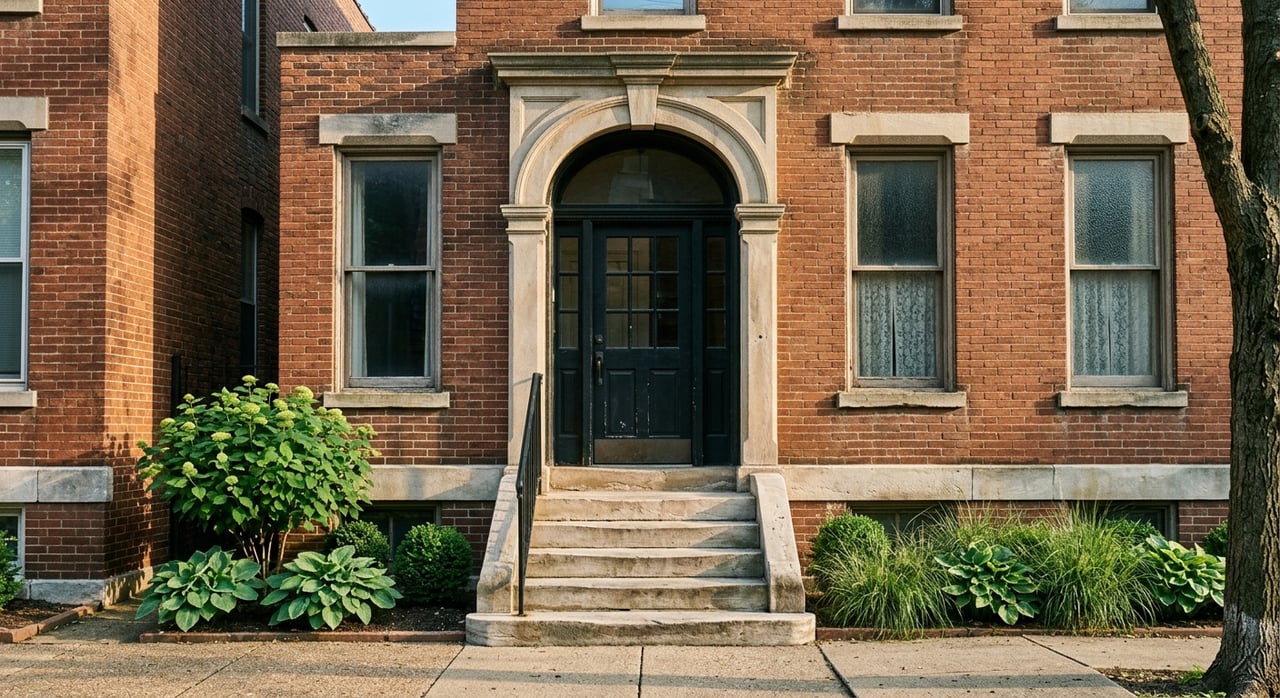
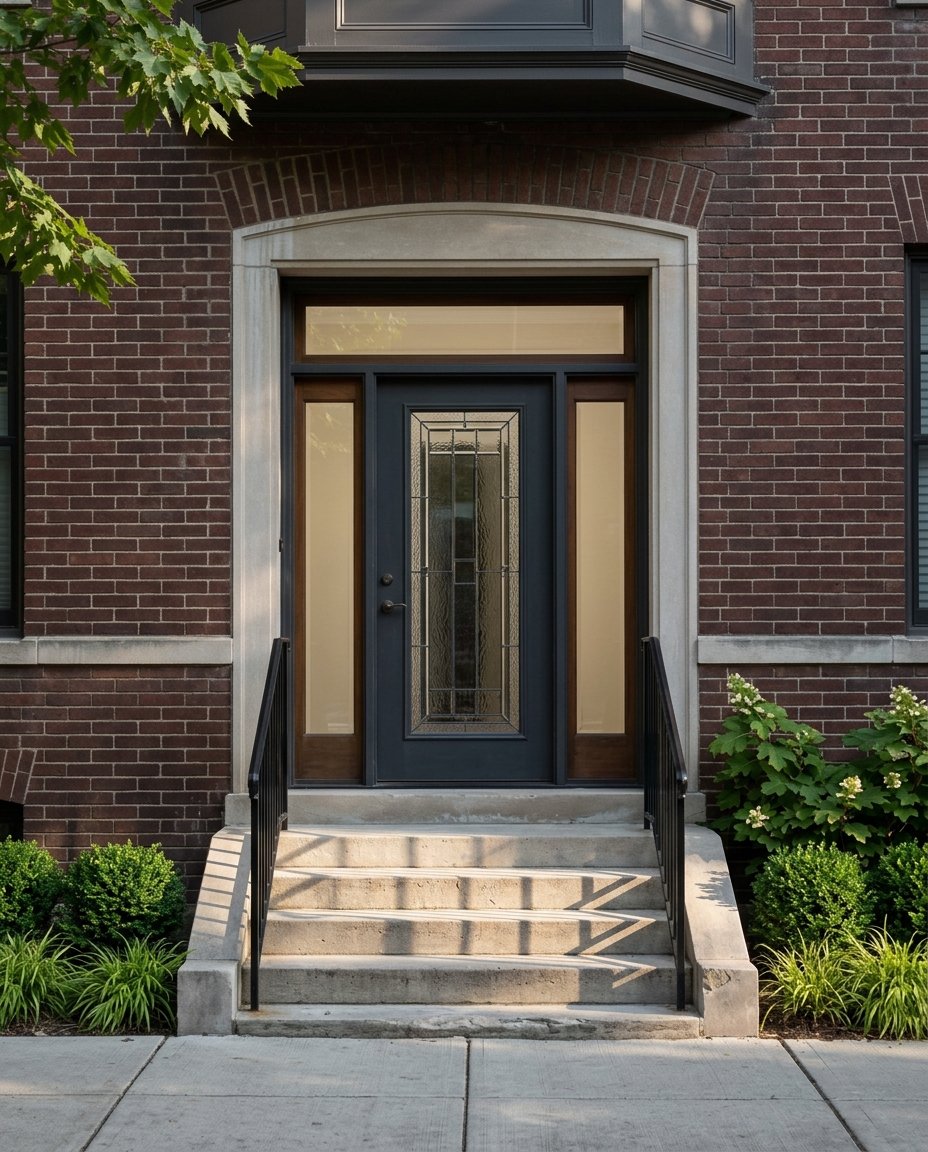
The neighborhood guide describes the district as having intact turn-of-the-century commercial buildings that reflect architectural styles from that era. In practical terms, that often translates into older brick storefronts, detailed facades, and a scale that feels approachable from the sidewalk. The visual consistency matters because it gives the neighborhood a strong sense of place.
Behind the retail streets, the surrounding residential blocks continue that historic, layered feel. You are more likely to see low- to mid-rise buildings and housing that grew over time than large-lot suburban-style development. For many buyers, that gradual evolution is exactly what makes Andersonville feel authentic.
What Housing Looks Like in Andersonville
If you are starting a home search here, it helps to set expectations early. Andersonville is not a separate Census geography, so Edgewater data provide the best official snapshot for neighborhood housing patterns. That data shows a housing mix that is heavily shaped by condos and multi-unit buildings.
According to CMAP’s 2019 to 2023 Edgewater snapshot, 54.7% of housing units are in buildings with 20 or more units. Another 13.7% are in 5- to 9-unit buildings, 9.7% are in 3- to 4-unit buildings, and 5.4% are in 2-unit buildings. Detached single-family homes account for 7.6% of the housing stock.
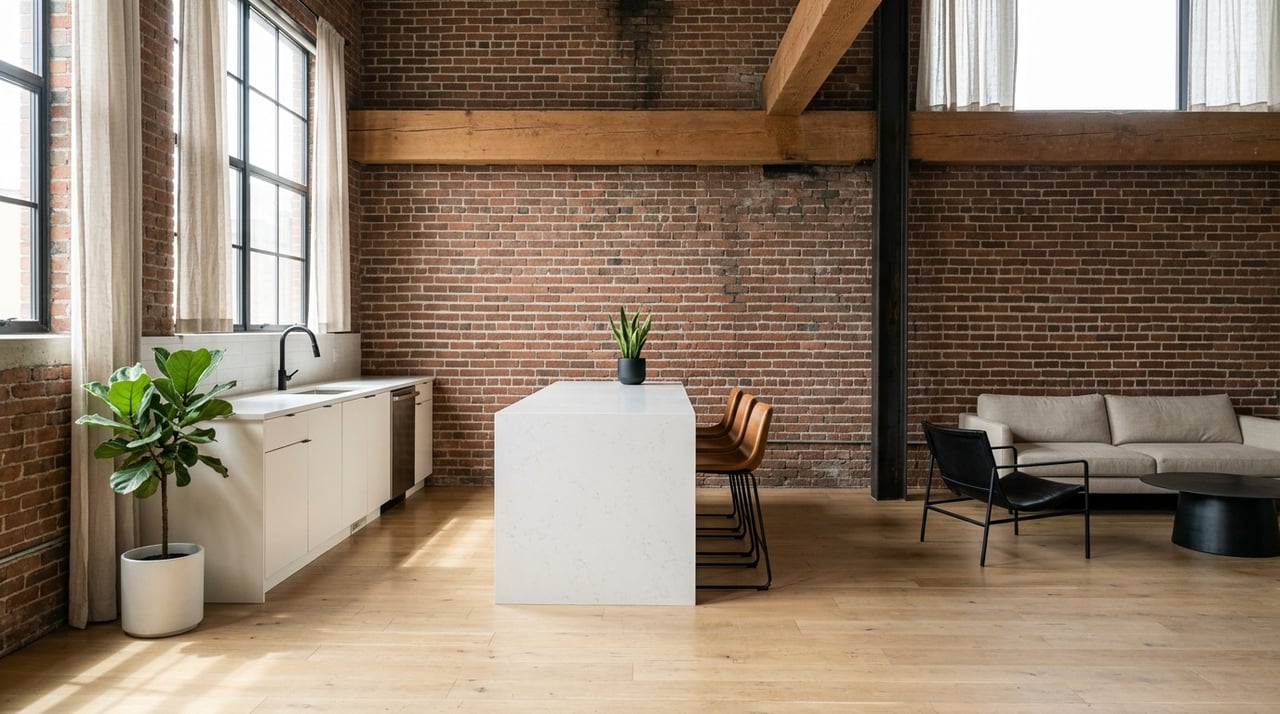
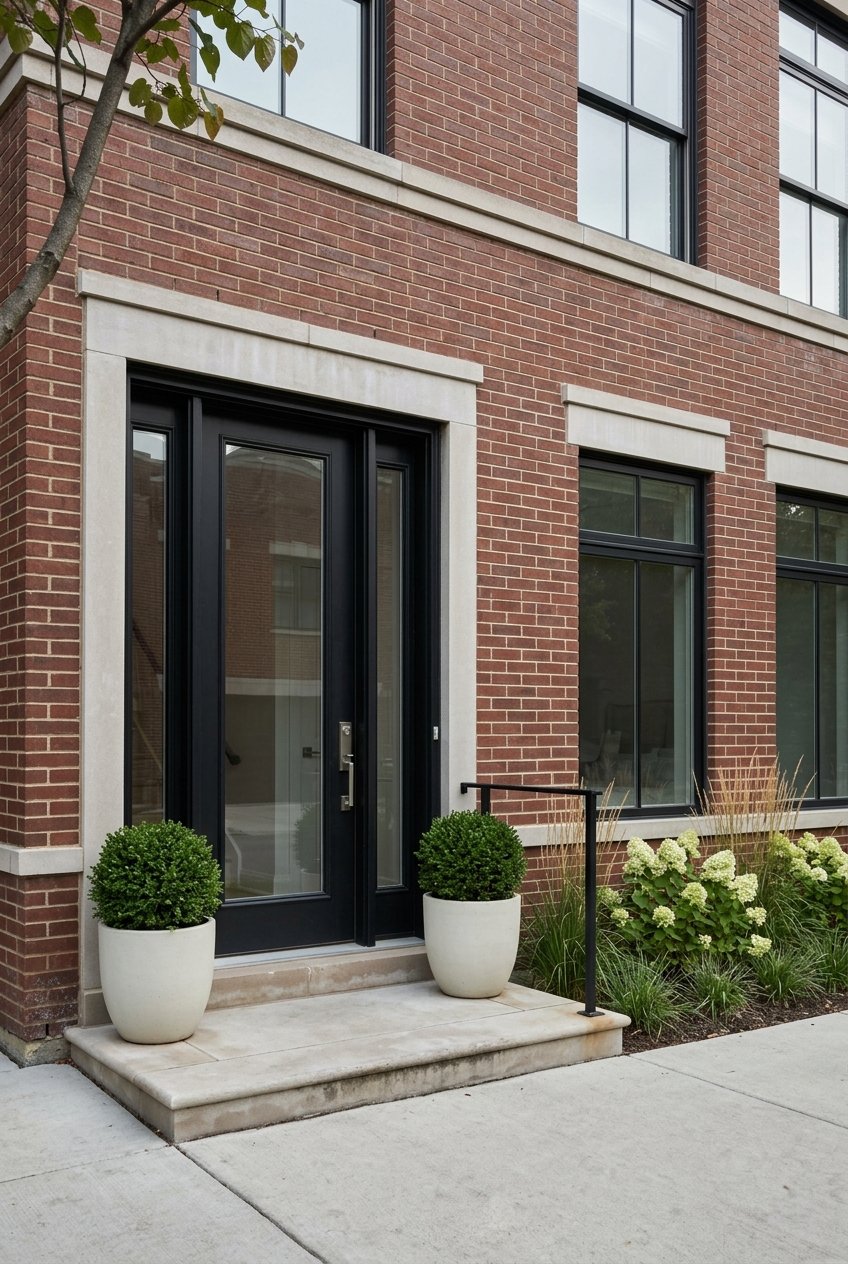
That means your search will likely focus on condos, vintage walk-ups, conversions, two-flats, three-flats, and larger apartment-style buildings. Detached houses do exist, but they are a much smaller share of the inventory. If you are hoping for a classic urban neighborhood with many condo and multi-unit options, Andersonville fits that profile well.
The age of the housing stock also matters. CMAP reports that 43.4% of Edgewater housing units were built before 1940, with a median year built of 1948. That older stock often brings the architectural details and layout quirks buyers expect in established Chicago neighborhoods, along with the need to evaluate condition, updates, and building maintenance carefully.
Ownership, Renting, and Buyer Expectations
The broader Edgewater numbers also show a sizable renter base alongside owner-occupied housing. CMAP reports that 37.7% of units were owner-occupied and 62.3% renter-occupied in 2019 to 2023. That aligns with a neighborhood where condos and rentals play a major role in the overall market.
For buyers, this can shape both your options and your competition. You may find a range of homes in condo buildings, smaller multi-unit properties, and vintage conversions rather than a market dominated by standalone houses. It also means understanding building rules, monthly assessments, and the condition of shared spaces can be especially important during your search.
This is where neighborhood-level guidance matters. In a housing stock with a lot of vintage inventory and multi-unit living, the right fit is not just about square footage. It is also about block-by-block feel, building type, and how your day-to-day routine matches the area.
How Andersonville Feels Day to Day
Andersonville often appeals to buyers who want a neighborhood that supports a car-light lifestyle. CMAP data for the broader Edgewater area shows that 38.5% of households had no vehicle available. The same snapshot reports that 29.3% of workers commuted by transit, 25.3% worked from home, and 6.3% walked or biked to work.
Those numbers do not mean every household lives car-free. They do suggest, though, that many residents are able to keep errands, dining, and social plans close to home. That aligns with the neighborhood’s walkable business district and active street life.
In plain terms, Andersonville tends to work best if you want city living with strong local identity. It feels more like a tightly knit urban village than a quiet residential suburb. If your ideal neighborhood includes historic streetscapes, frequent local events, and a housing mix built around condos and multi-unit properties, Andersonville is easy to see yourself in.
Who Andersonville Often Fits Best
No neighborhood is right for everyone, and that is a good thing. Andersonville usually makes the most sense for buyers who value local businesses, a lively main street, and historic character over large-lot living. It can also be a strong fit if you want your neighborhood to offer activity and convenience beyond your own building.
You may feel especially drawn to Andersonville if you are looking for:
- A walkable commercial corridor centered on local shops and restaurants
- Historic architecture and preserved street character
- Condo and multi-unit housing options in an established neighborhood
- Seasonal events and an active community calendar
- A north-side Chicago setting with everyday amenities close by
If your priority is a larger detached home with a quieter, more suburban pattern of living, your search may need to be broader. But if you want charm, convenience, and a neighborhood identity that feels strong and consistent, Andersonville checks a lot of boxes.
Why Local Guidance Matters Here
In a neighborhood like Andersonville, small details can change your experience a lot. Two homes may be similar on paper but feel very different based on building type, block location, street activity, and condition. That is why a neighborhood guide should go beyond broad labels and help you understand how the housing stock and lifestyle actually come together.
At Blume Group, we believe your search should feel clear and well managed from the start. Whether you are comparing condo options, trying to understand how a vintage building fits your goals, or narrowing your focus across Chicago neighborhoods, a process-driven approach helps you move with more confidence.
If you are thinking about buying or selling in Andersonville or nearby North Side neighborhoods, Lisa Blume can help you build a smart plan around your timeline, priorities, and next move.
FAQs
What is Andersonville known for in Chicago?
- Andersonville is known for its Swedish roots, historic architecture, locally owned businesses, and Clark Street commercial corridor.
What kinds of homes are common in Andersonville?
- Andersonville is primarily a condo and multi-unit neighborhood, with vintage walk-ups, conversions, two-flats, three-flats, and larger apartment-style buildings making up much of the housing stock.
Is Andersonville more urban or suburban in feel?
- Andersonville generally feels more like a tightly knit urban village, with a walkable main street, frequent community events, and housing that is more dense than suburban neighborhoods.
Does Andersonville have a lot of local shops and restaurants?
- Yes. The neighborhood is known for a strong mix of independent retailers, cafes, restaurants, taverns, and specialty businesses concentrated along Clark Street.
Is Andersonville a good fit if you want a detached single-family home?
- Detached single-family homes exist in the broader area, but they are a minority of the housing stock, so buyers looking for that property type may find fewer options than in neighborhoods dominated by single-family homes.